01
Initial consultation
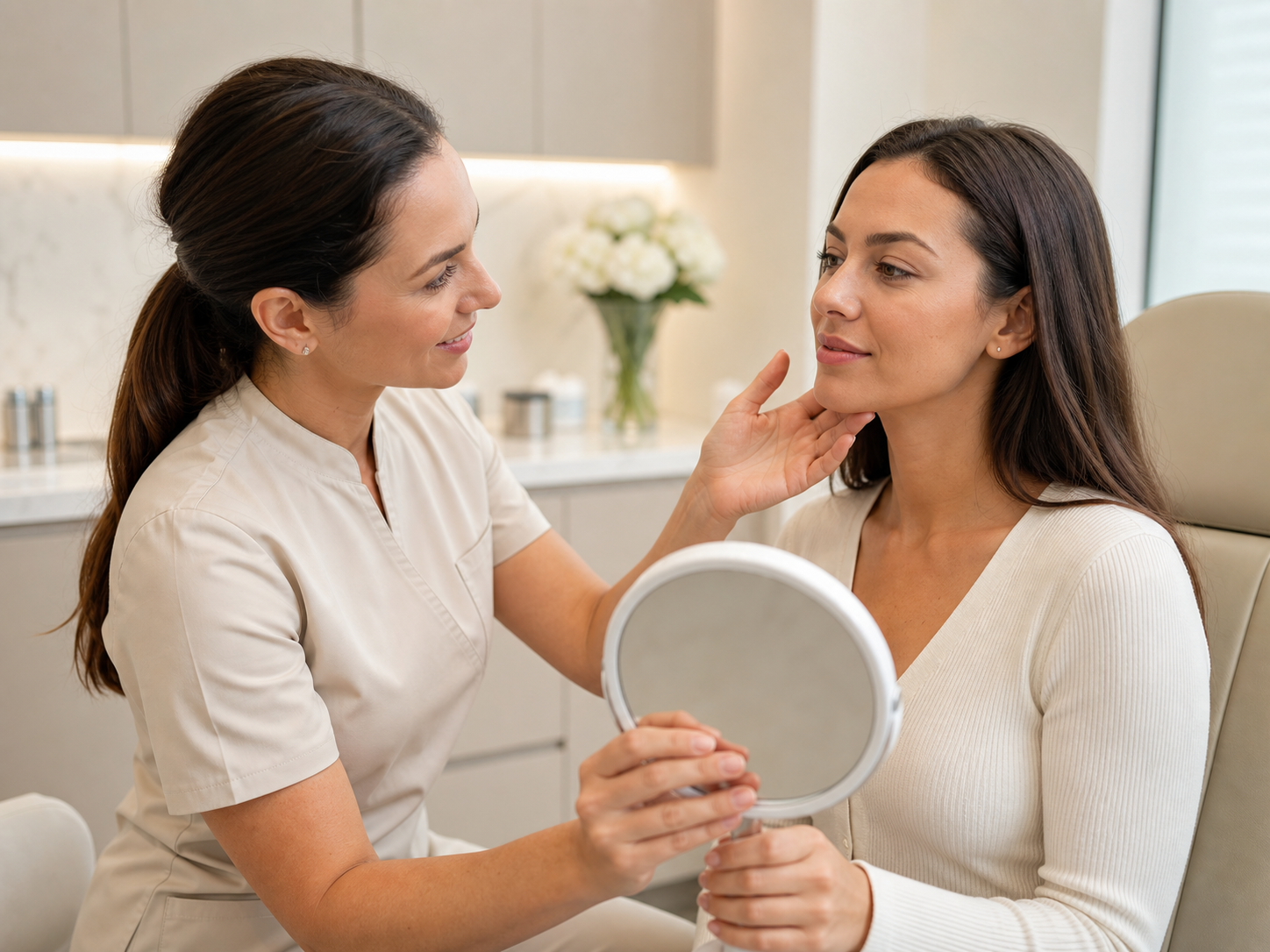
The clinician assesses skin quality, tissue movement, facial anatomy and the desired result. Important alternatives are also discussed.

NATURAL. SUBTLE. YOU.
PDO Mono Thread Treatment is a minimally invasive procedure that places smooth absorbable threads under the skin to support collagen and mild tightening.


PDO Mono Thread Treatment is a minimally invasive procedure that places smooth absorbable threads under the skin to support collagen and mild tightening. Individual assessment remains essential before treatment.
Consider this procedure for mild skin laxity when you want gradual collagen support rather than a strong lifting effect. A consultation should confirm suitability, alternatives and realistic expectations.
PDO Mono Thread Treatment is a minimally invasive procedure that places smooth absorbable threads under the skin to support collagen and mild tightening. Individual assessment remains essential before treatment.
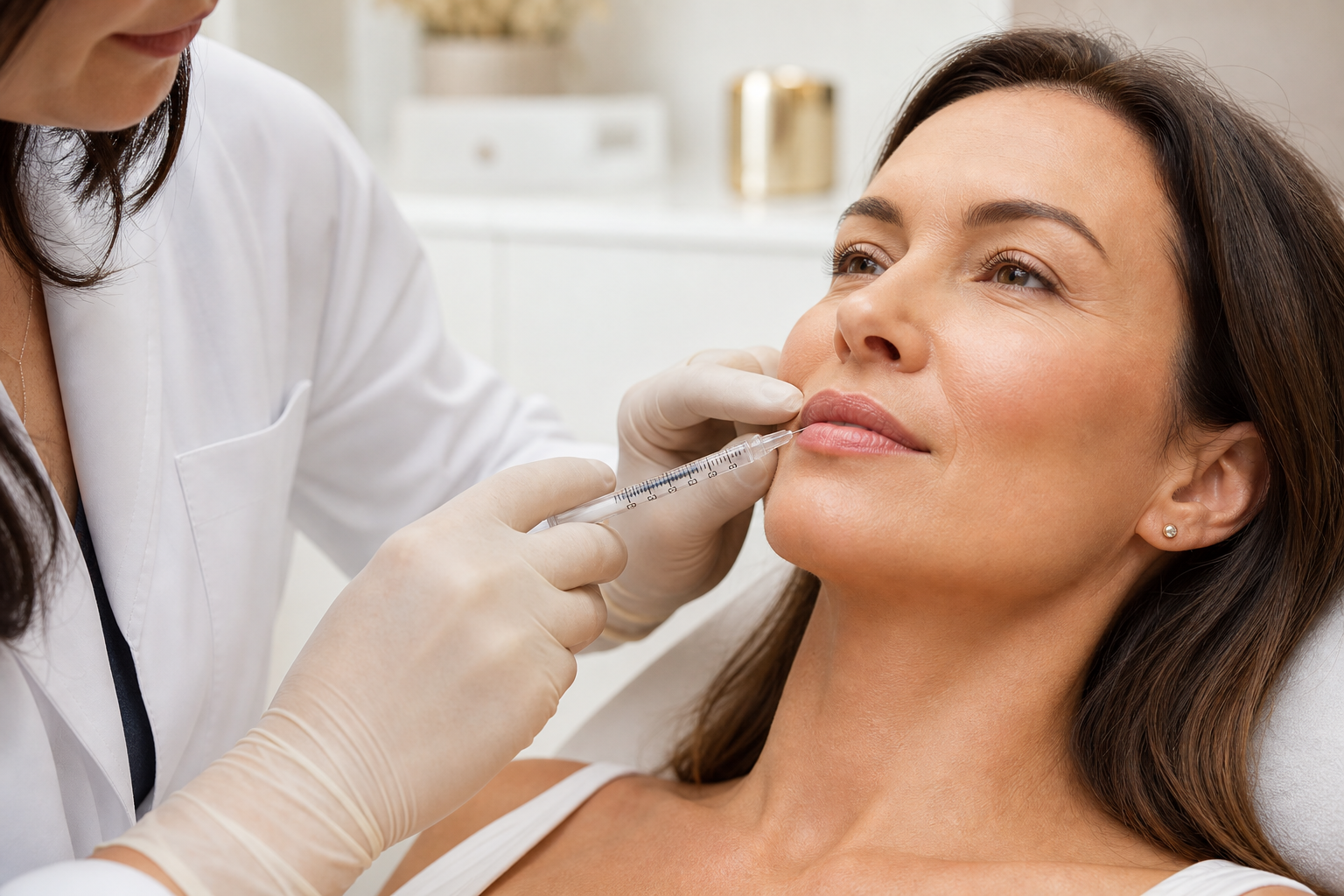
The goal is to support gradual collagen production and mild skin tightening with a subtle result and realistic limits compared with surgery. Progress is reviewed against agreed goals.
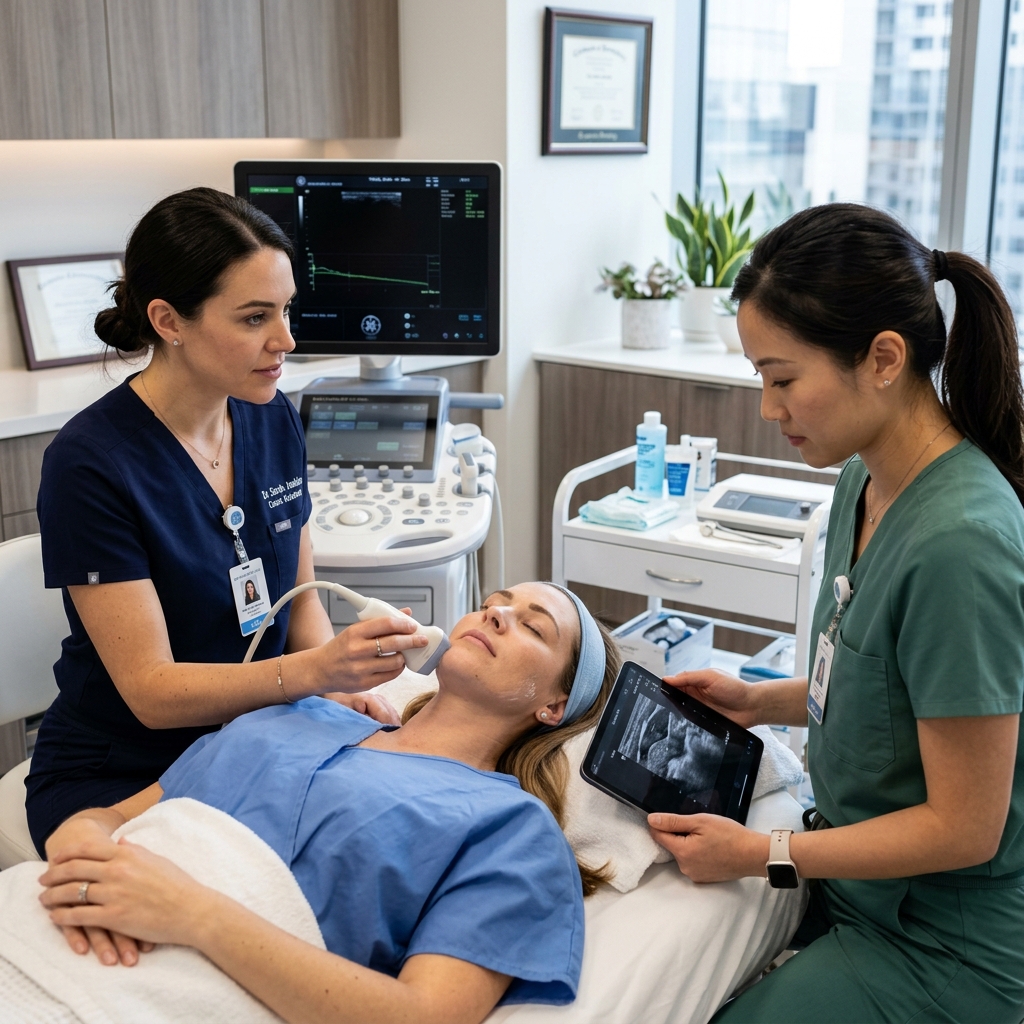
It is generally well tolerated in suitable patients when performed by a qualified practitioner after medical screening, but no treatment is risk-free. Thread placement requires detailed anatomical knowledge and sterile technique. Clear informed consent remains essential.
Swelling, bruising, tenderness, temporary dimpling, tightness and mild asymmetry can occur. These effects are usually temporary.
Possible risks include infection, visible or palpable threads, prolonged pain, puckering, nerve irritation, thread movement or extrusion and an unsatisfactory result.
Each appointment is planned around your anatomy, goals, and medical suitability.
The clinician assesses skin quality, tissue movement, facial anatomy and the desired result. Important alternatives are also discussed.
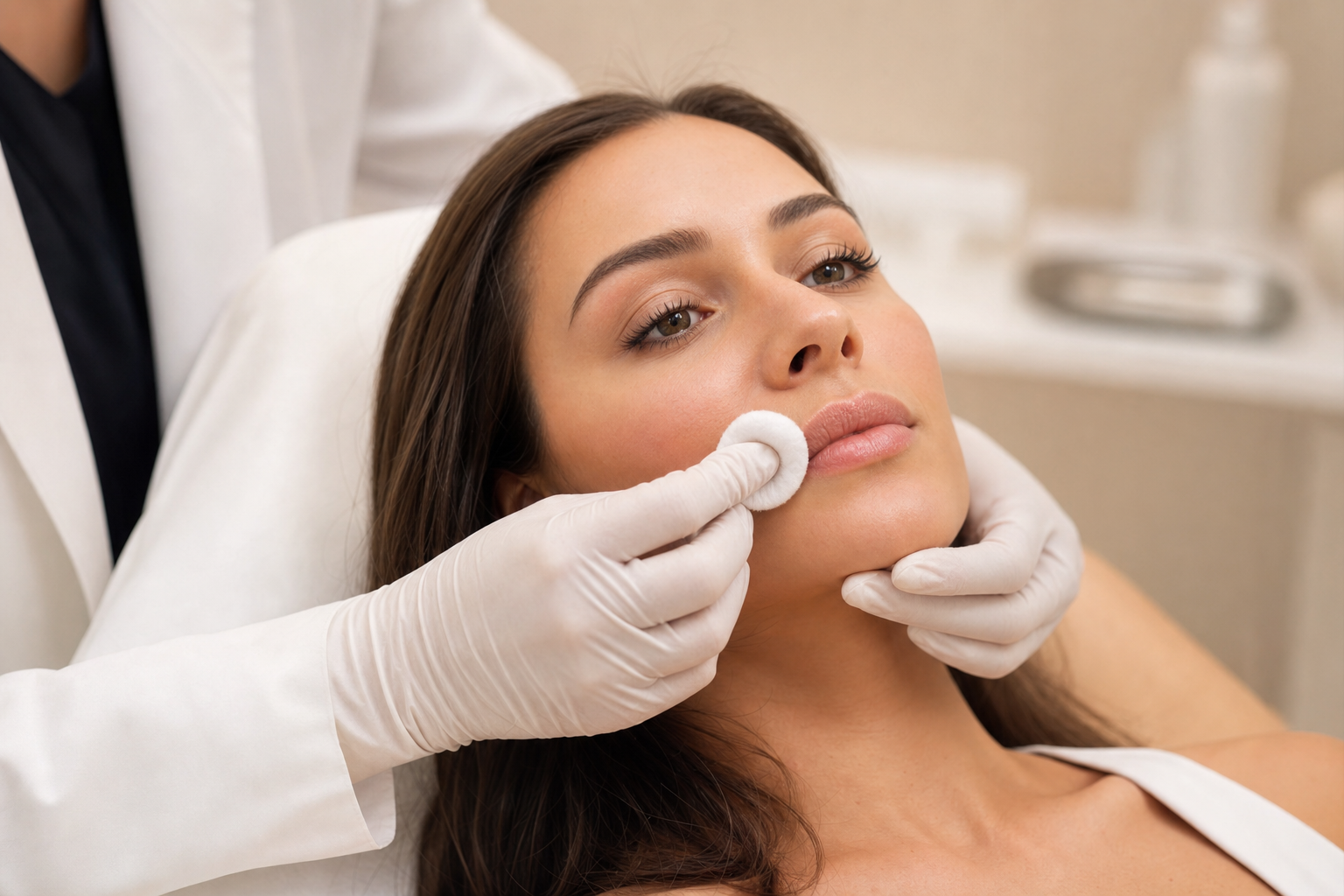
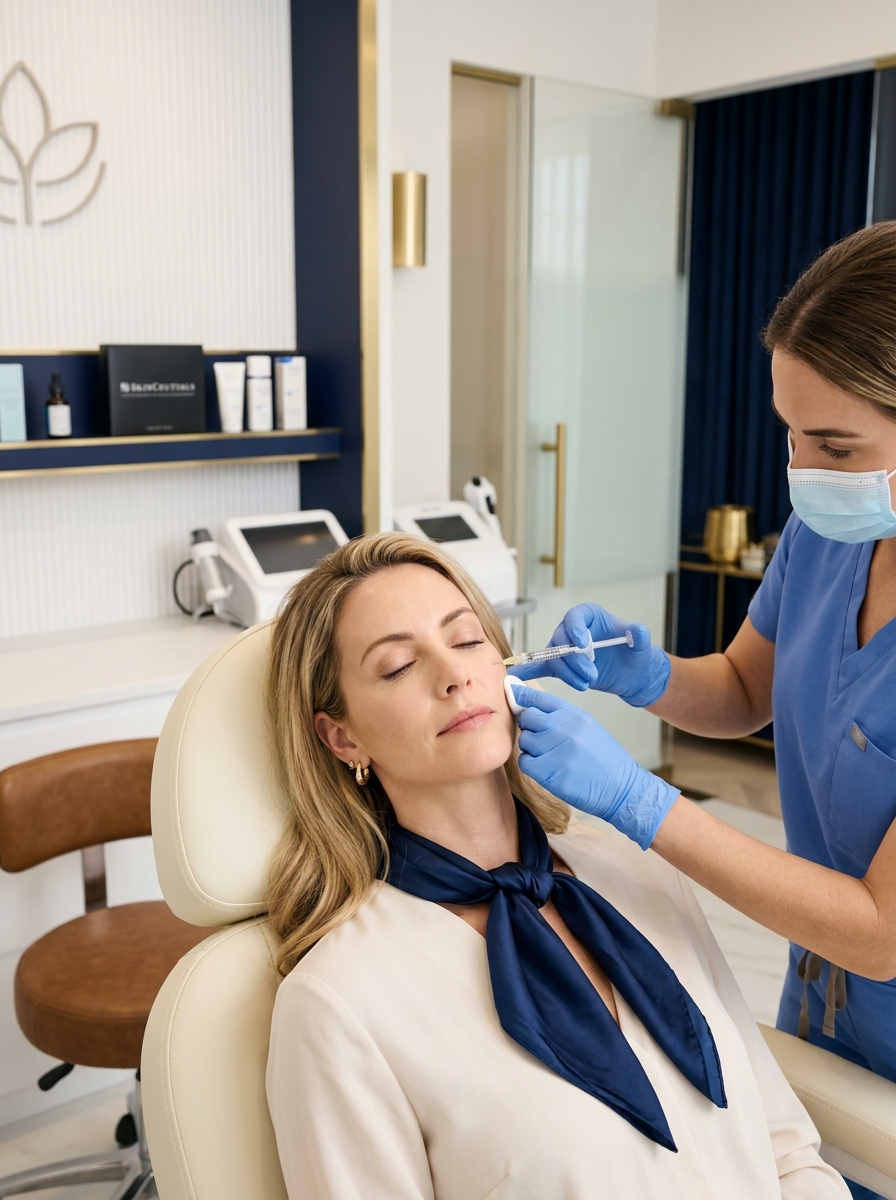
The area is cleaned, marked and numbed with local anaesthetic. Comfort, markings and skin protection are checked.
Sterile absorbable threads are placed through planned entry points under the skin. The treatment response is monitored.

The result is checked, entry points are dressed and movement restrictions are explained. Follow-up timing is confirmed clearly.
Share your medical history, allergies, medicines and previous procedures, and do not stop prescribed medicine unless the prescribing clinician advises it. Treat dental or skin infection first and discuss previous threads, fillers and scarring problems.
Avoid pressure, facial massage, vigorous exercise and wide facial movements for the period advised, and sleep with the head elevated initially. Contact the clinic if symptoms become severe or unusual.
Some lifting may be visible immediately, with additional change as swelling settles. The settled result is usually assessed after 6-12 weeks.
Exact treatment planning and pricing are confirmed during consultation.
Prices may vary depending on product, amount, and treatment combination.
Each treatment is adapted to your anatomy, goals, product suitability, and safe clinical sequencing.
 Clinical note
It may be combined with skin-quality treatments or injectables after healing and careful timing. The treating clinician should plan sequence and timing. Clinical sequencing and timing remain important.
Clinical noteThe practitioner should confirm the diagnosis, suitability, realistic outcome and consent before treatment. Select patients carefully because heavy tissue descent or marked excess skin may need surgery instead.
Find direct answers about PDO Mono Threads, suitability, results, and aftercare.
PDO Mono Thread Treatment is a minimally invasive procedure that places smooth absorbable threads under the skin to support collagen and mild tightening. Individual assessment remains essential before treatment.
The procedure usually takes 45-90 minutes. Some lifting may be visible immediately, with additional change as swelling settles. The settled result is usually assessed after 6-12 weeks. Results commonly last about 12-24 months, but individual duration varies. Maintenance is based on clinical review and should not be automatic. Future timing follows clinical review.
Discomfort is usually rated around 2-3 out of 10, although each person's experience can differ. Local anaesthesia is normally used. Social downtime is commonly 3-7 days. Mild to moderate swelling can last several days. Duration varies with the treated area and individual response. Swelling, bruising, tenderness, temporary dimpling, tightness and mild asymmetry can occur. These effects are usually temporary.
Consider this procedure for mild skin laxity when you want gradual collagen support rather than a strong lifting effect. A consultation should confirm suitability, alternatives and realistic expectations. It is generally well tolerated in suitable patients when performed by a qualified practitioner after medical screening, but no treatment is risk-free. Thread placement requires detailed anatomical knowledge and sterile technique. Clear informed consent remains essential. Share your medical history, allergies, medicines and previous procedures, and do not stop prescribed medicine unless the prescribing clinician advises it. Treat dental or skin infection first and discuss previous threads, fillers and scarring problems. Avoid pressure, facial massage, vigorous exercise and wide facial movements for the period advised, and sleep with the head elevated initially. Contact the clinic if symptoms become severe or unusual.