Amsterdam-ZuidDen Bosch+2
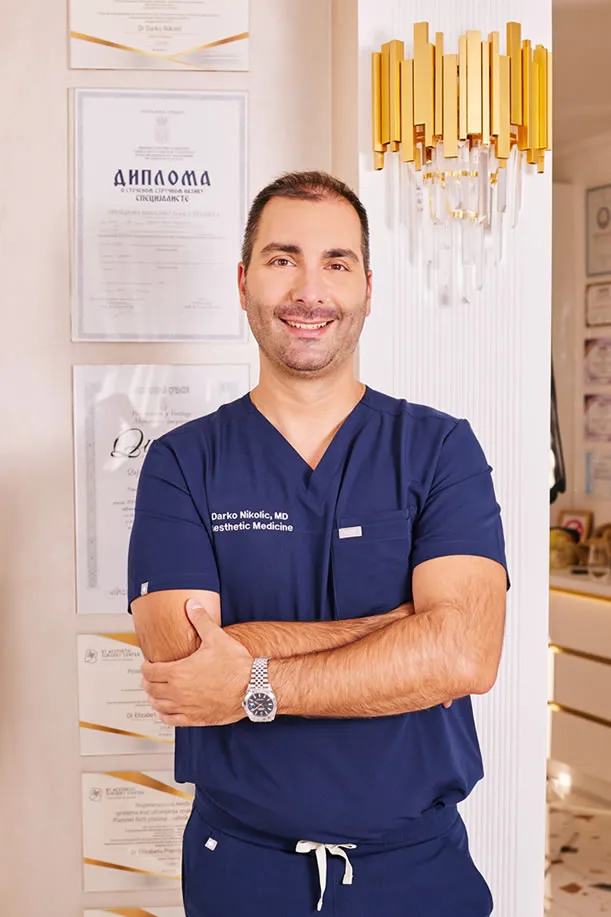
Hugo Ammerlaan
Cosmetic doctor, Eyelid correction doctor KNMG

Energy-based tightening uses controlled heat or mechanical energy to trigger tissue contraction and collagen remodelling.

Part of Lifting & Tightening
3 treatments available
Use ultrasound, infrared, radiofrequency or laser energy to support gradual firmness.

Options include focused ultrasound, near-infrared energy, fractional RF microneedling and CO₂-based tightening. Each reaches a different depth and has different downtime and risks. Treatment must be matched to the tissue layer involved.
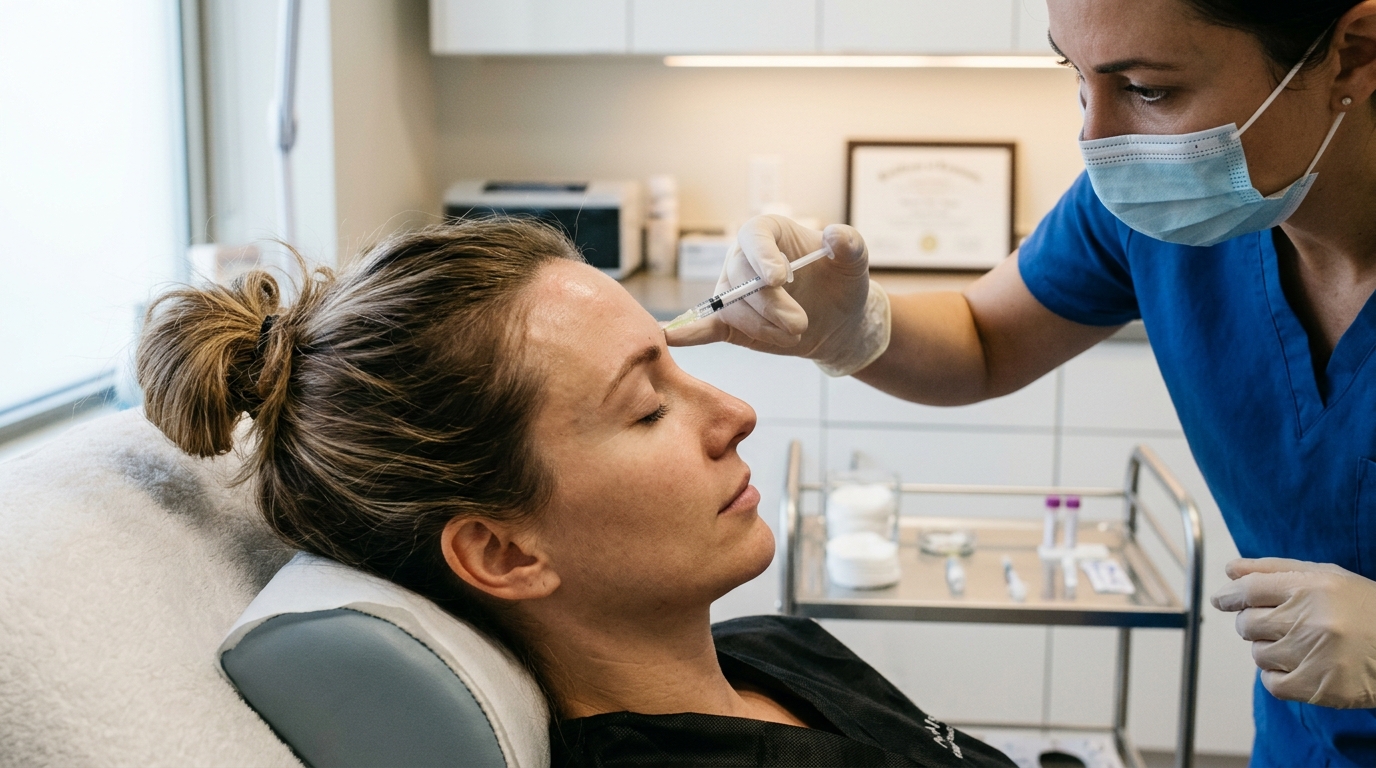
Applications may include mild to moderate laxity of the face, neck or selected body areas. These treatments cannot remove substantial loose skin and should not be described as a substitute for surgery in every patient.

Some tightening may be noticed early, but most improvement develops gradually over weeks or months. Results are variable, often modest and may require maintenance.
Temporary pain, redness, swelling and tenderness can occur. Energy devices can cause burns, pigment change, scarring, nerve injury or unwanted fat loss. RF microneedling has been linked with serious complications when used inappropriately. Correct device, settings, coupling and operator training are essential.
Divine Medica is known for precise aesthetic care, natural-looking outcomes, and a doctor-led treatment experience. Our specialists focus on careful assessment, refined technique, and results that stay in harmony with your features.
Cosmetic doctor, Eyelid correction doctor KNMG
Cosmetic doctor, Eyelid correction doctor KNMG
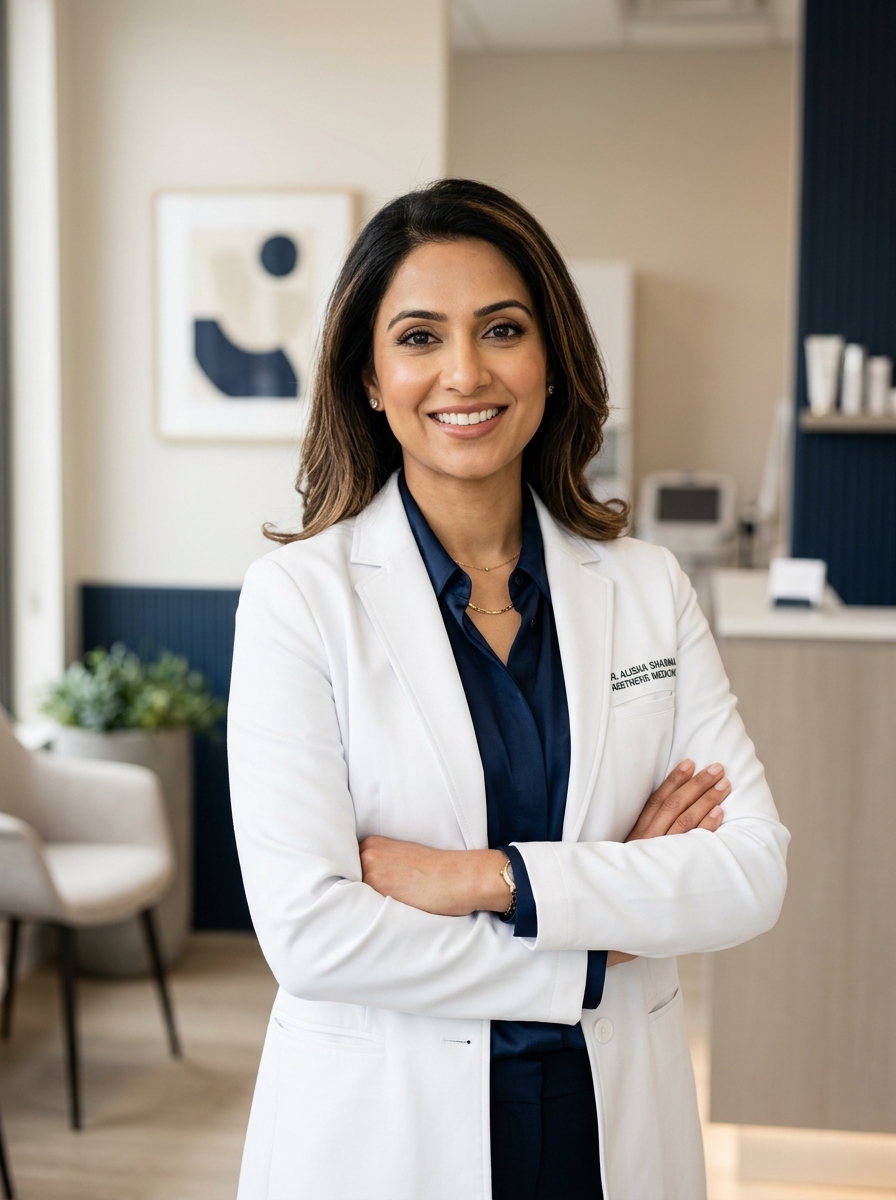
Cosmetic doctor KNMG

Cosmetic doctor, injectables specialist
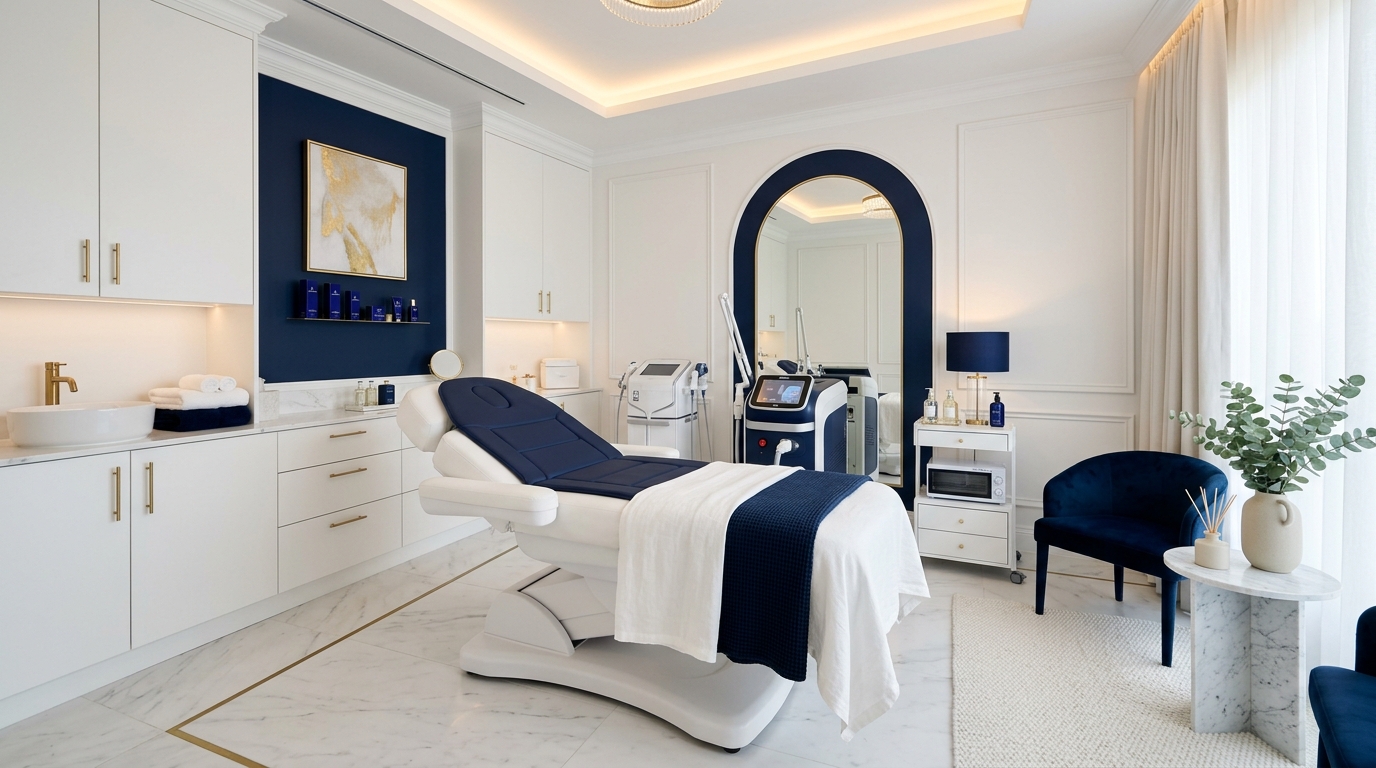
“Excellent result! I am incredibly happy with the result and the doctor's expertise.”
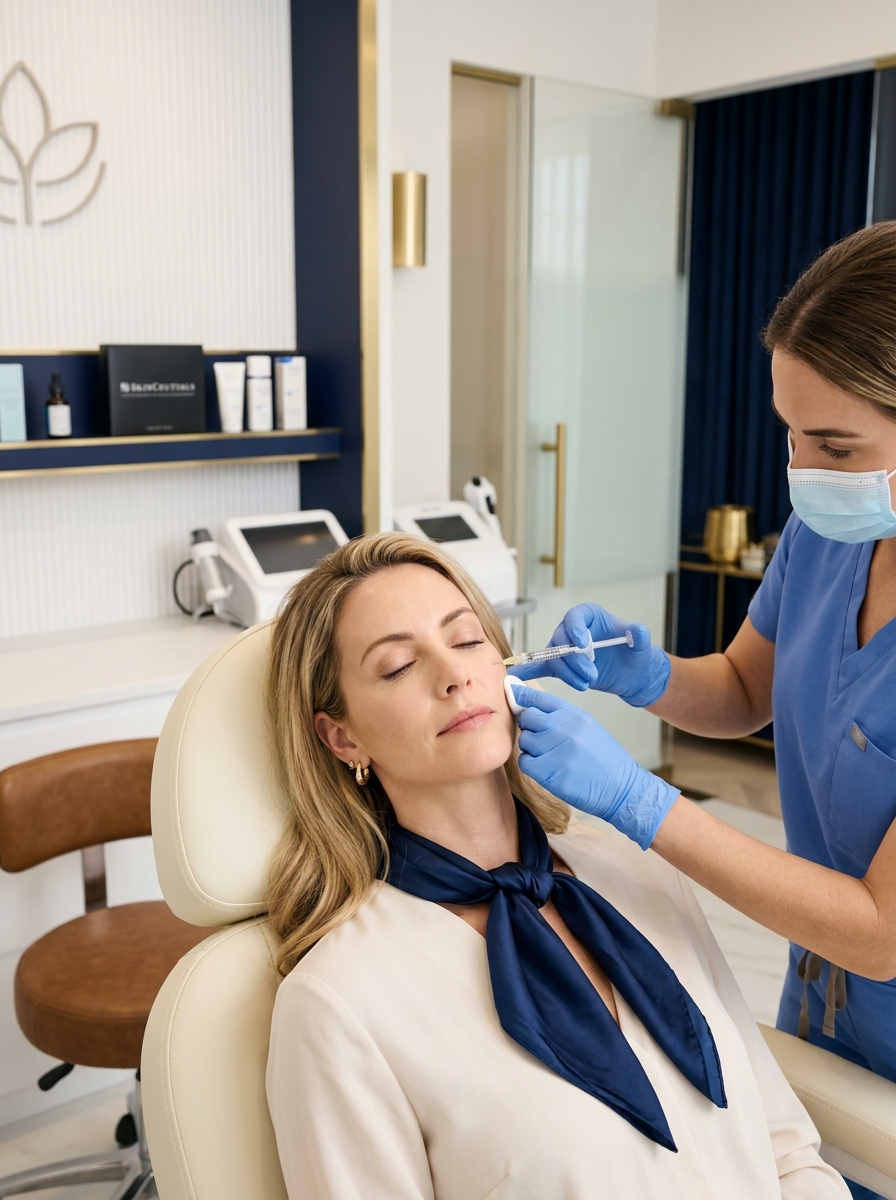
Find immediate answers about Energy-Based Tightening, suitability, results, and recovery.
It may suit adults with mild laxity and realistic expectations who are appropriate for the chosen device. Implanted devices, metal, active infection, pregnancy, poor healing or certain medicines may affect suitability.
Some technologies use a single session, while others are planned as a course. The clinician should allow time for remodelling before deciding on additional treatment.
Downtime ranges from mild redness to several days of swelling, grid marks, crusting or tenderness. Stronger CO₂ or RF treatments require more recovery.
The clinician assesses skin thickness, fat distribution, degree of laxity, implants, skin type and acceptable downtime. Surgery may be more appropriate when excess skin is significant.