
Platelet-Rich Plasma (PRP)
An autologous preparation made from a patient's own blood.

The information on this page has been medically reviewed by
Divine Medica
What is Platelet-Rich Plasma (PRP)?
Platelet-rich plasma is prepared by concentrating platelets from a small sample of the patient's own blood. The final composition varies with the collection system and preparation method.
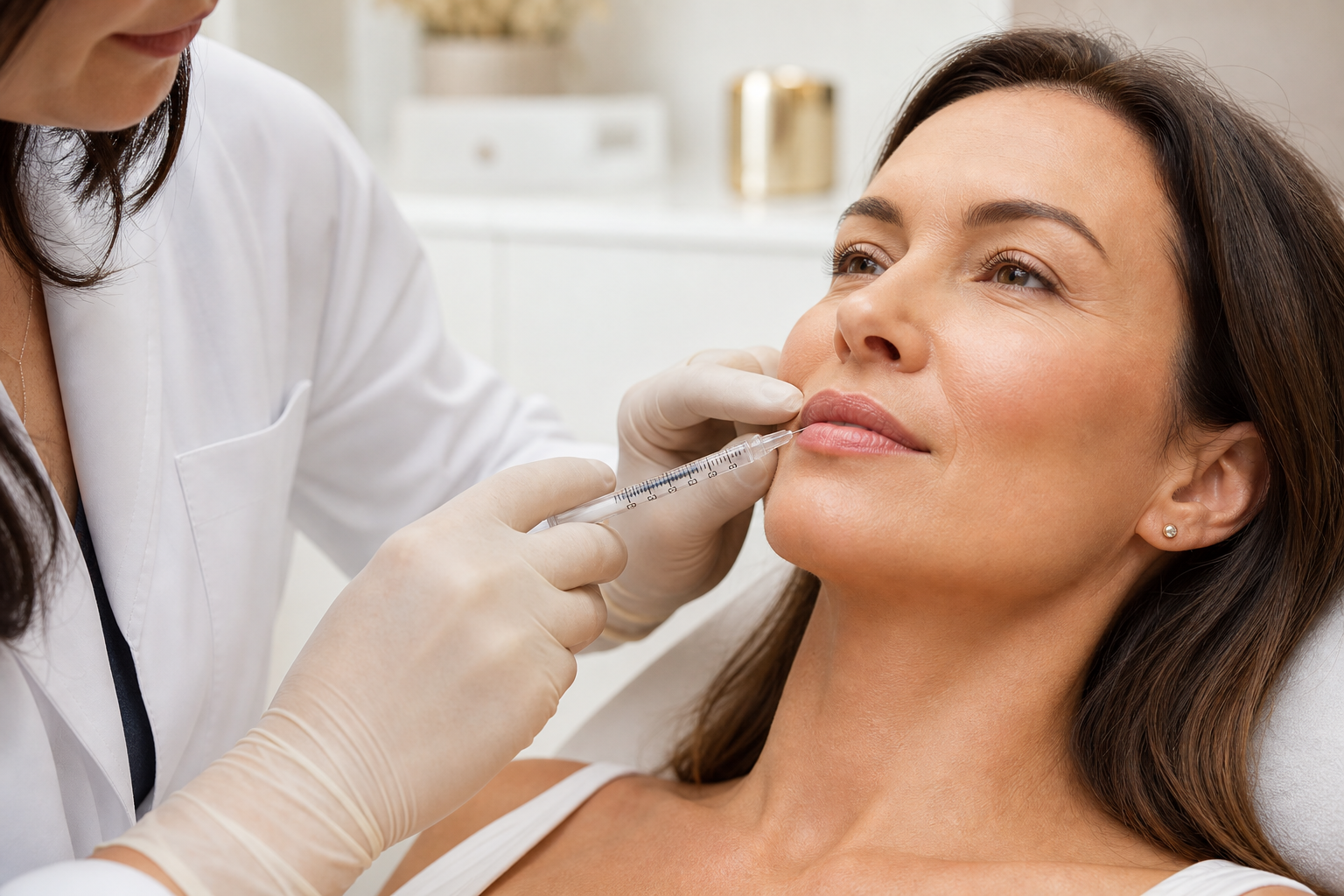
What does Platelet-Rich Plasma (PRP) entail?
Blood is drawn into a sterile system and processed, usually by centrifugation, to separate a platelet-rich portion. The clinician then applies or injects it according to the treatment plan.
Applications of Platelet-Rich Plasma (PRP)
Within the current service list, this category may be used for PRP Therapy, PRP Hair Restoration. The exact product, indication and treatment plan must be confirmed for each patient.
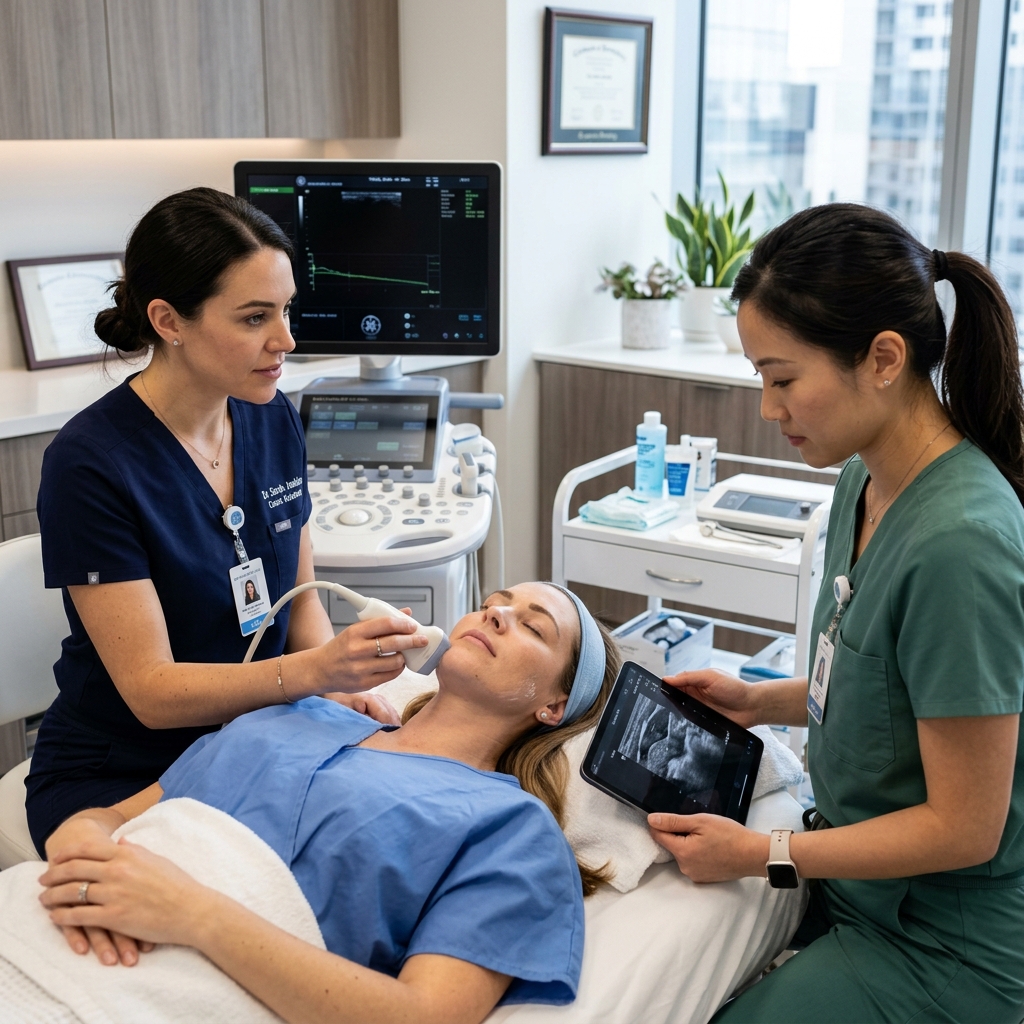
Safety Platelet-Rich Plasma (PRP)
Because PRP is autologous, allergy risk is low, but blood draw and injection can still cause pain, bruising, bleeding, infection or tissue injury. Sterile technique and a traceable preparation system are essential.
Before and Aftercare
Discuss blood disorders, anaemia, infection, medicines that affect bleeding, pregnancy and the reason for treatment. Do not stop prescribed medicine unless the prescribing clinician approves.
Keep treated sites clean and follow instructions about exercise, heat, washing and skincare. Report increasing pain, redness, fever, discharge or other unexpected symptoms.
Changes are gradual and commonly assessed over several weeks to months. Hair and skin protocols may have different timelines, and response is not guaranteed.
Treatments with Platelet-Rich Plasma (PRP)
Frequently
asked
questions ›
Find direct answers to questions about Platelet-Rich Plasma (PRP), safety, treatment planning, and recovery.
Because PRP is autologous, allergy risk is low, but blood draw and injection can still cause pain, bruising, bleeding, infection or tissue injury. Sterile technique and a traceable preparation system are essential.
A course of sessions is often used, followed by review. The exact number and interval depend on the indication, preparation method and measured response.
Changes are gradual and commonly assessed over several weeks to months. Hair and skin protocols may have different timelines, and response is not guaranteed.
PRP is sometimes combined with other procedures, but device or injectable combinations need a specific plan because safety and evidence differ by use.