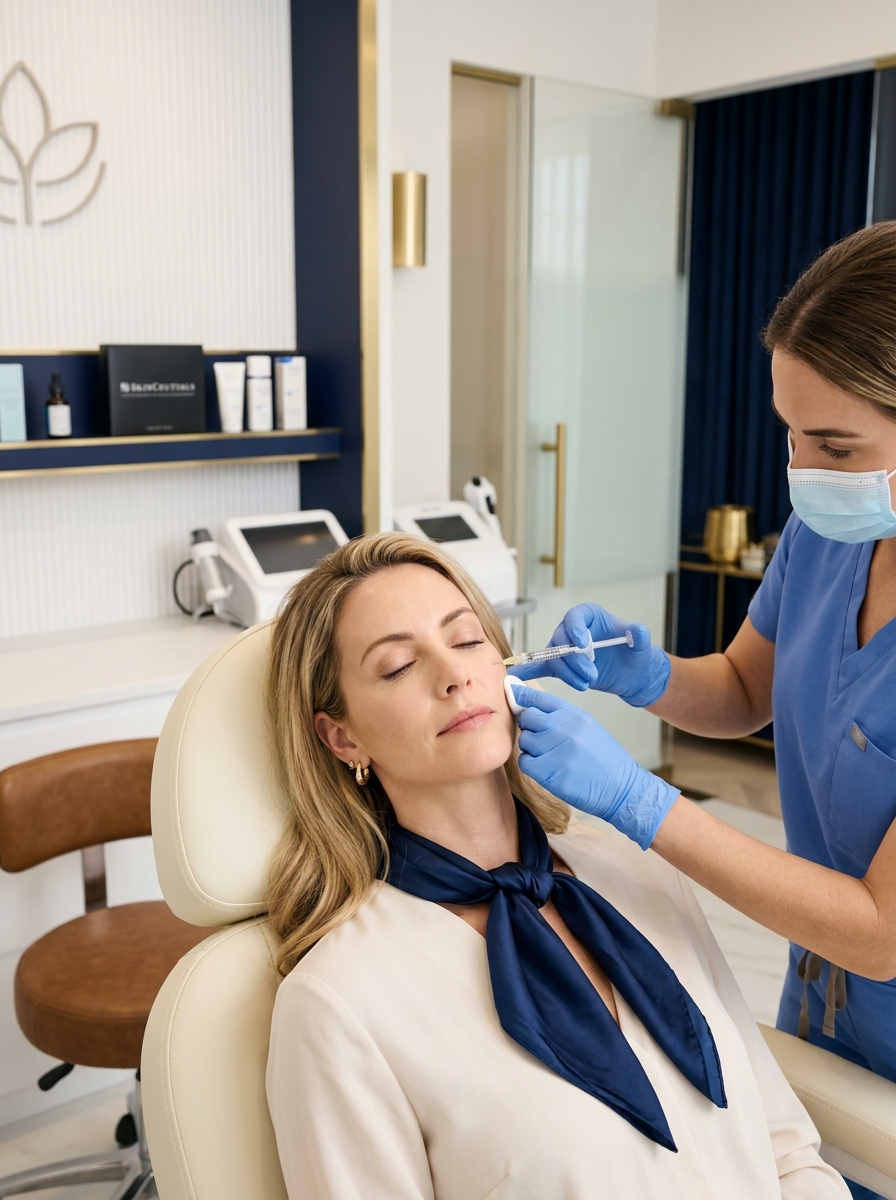
01
Initial consultation
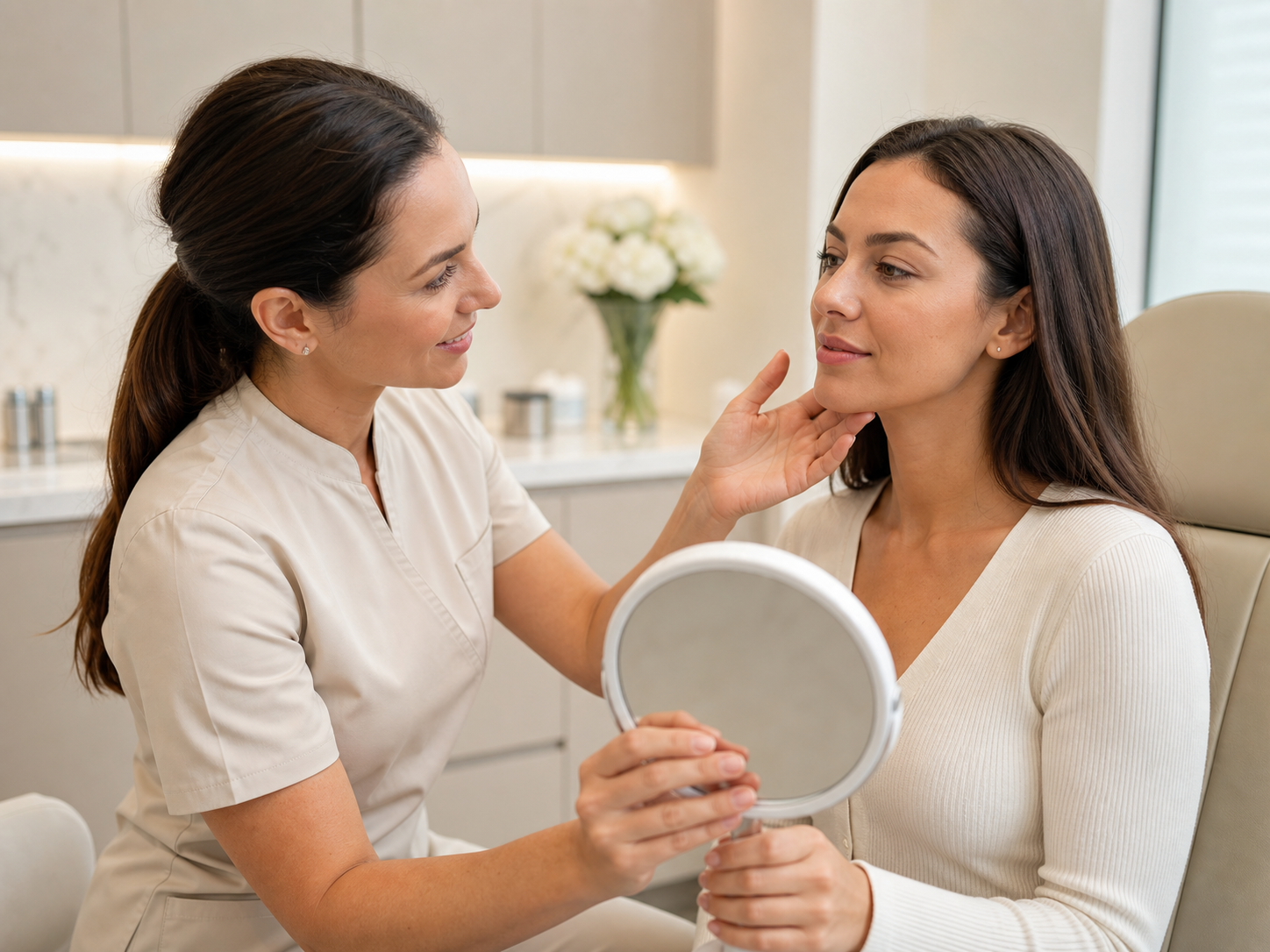
The clinician assesses skin type, current products, medical history and the concern being treated. Important alternatives are also discussed.

NATURAL. SUBTLE. YOU.
Glycolic Acid Peel is a controlled chemical exfoliation treatment designed to remove dull surface cells and improve tone, texture or congestion with a controlled peel.


Glycolic Acid Peel is a controlled chemical exfoliation treatment designed to remove dull surface cells and improve tone, texture or congestion with a controlled peel. Individual assessment remains essential before treatment.
Consider this treatment when you want to remove dull surface cells and improve tone, texture or congestion with a controlled peel and your skin can safely tolerate a professional peel.
Glycolic Acid Peel is a controlled chemical exfoliation treatment designed to remove dull surface cells and improve tone, texture or congestion with a controlled peel. Individual assessment remains essential before treatment.
The goal is to remove dull surface cells and improve tone, texture or congestion with a controlled peel without creating a deeper injury than the skin can safely heal.
It is generally well tolerated in suitable patients when performed by a qualified practitioner after medical screening, but no treatment is risk-free. Peel strength, contact time and neutralisation must be matched to skin type and medical history.
Temporary stinging, redness, dryness, tightness, flaking and mild sensitivity can occur. These effects are usually temporary.
Possible risks include burns, infection, prolonged redness, pigment change, scarring and cold-sore reactivation. Prompt assessment is important if unexpected symptoms develop.
Each appointment is planned around your anatomy, goals, and medical suitability.
The clinician assesses skin type, current products, medical history and the concern being treated. Important alternatives are also discussed.
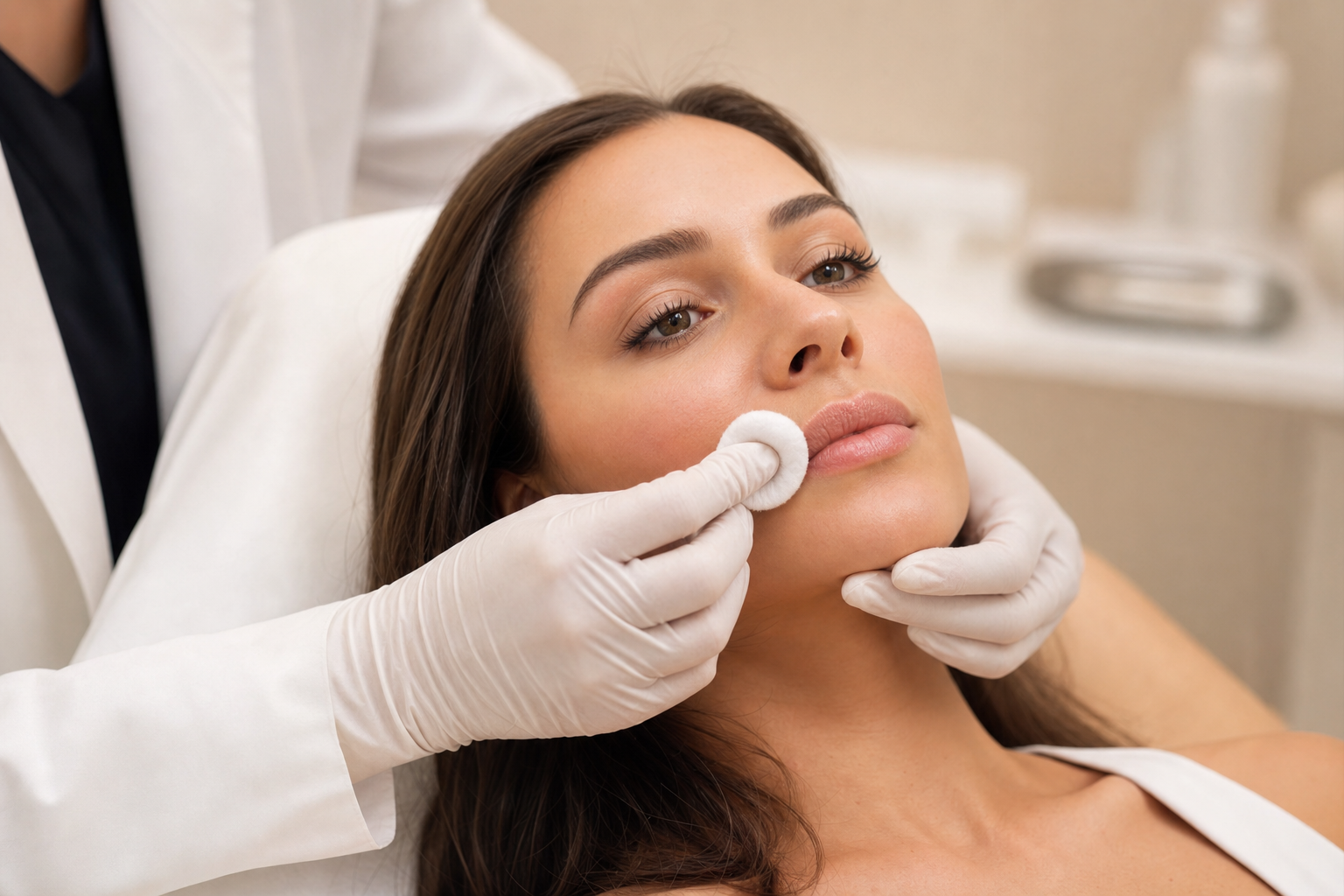
The skin is cleansed and protected around sensitive areas. Comfort, markings and skin protection are checked. Comfort and protection are checked.
The peel is applied for a controlled time and neutralised or removed according to the product protocol.

A soothing product and sun protection are applied, and the peeling and aftercare timeline is explained. Follow-up timing is confirmed clearly.
Share your medical history, allergies, medicines and previous procedures, and do not stop prescribed medicine unless the prescribing clinician advises it. Pause retinoids, exfoliants or hair removal only for the period specifically advised, and avoid treatment on sunburned or infected skin.
Do not pick peeling skin, use gentle moisturiser and high sun protection, and avoid retinoids, acids and heat until the skin has recovered. Urgent concerns should be reported promptly.
The skin may look brighter after peeling settles, usually within 3-10 days. The result is assessed after healing and often improves through a planned series.
Exact treatment planning and pricing are confirmed during consultation.
Prices may vary depending on product, amount, and treatment combination.
Each treatment is adapted to your anatomy, goals, product suitability, and safe clinical sequencing.
 Clinical note
It may be combined with a skincare program or other procedures when sufficient healing time is allowed. Clinical sequencing and timing remain important.
Clinical noteThe practitioner should confirm the diagnosis, suitability, realistic outcome and consent before treatment. Document the peel, strength, application time, neutralisation and skin response.
Find direct answers about Glycolic Acid Peel, suitability, results, and aftercare.
Glycolic Acid Peel is a controlled chemical exfoliation treatment designed to remove dull surface cells and improve tone, texture or congestion with a controlled peel. Individual assessment remains essential before treatment.
The appointment usually takes 20-45 minutes. The skin may look brighter after peeling settles, usually within 3-10 days. The result is assessed after healing and often improves through a planned series. Improvement may last several weeks to months, depending on peel depth, skincare and sun exposure. Maintenance peels may be scheduled only after the skin has recovered and the response is reviewed.
Discomfort is usually rated around 2-3 out of 10, although each person's experience can differ. Anaesthesia is usually not required, although temporary stinging or warmth is expected. Downtime ranges from none to about 7 days, depending on peel strength and depth. Swelling is usually minimal, although a medium-depth peel can cause mild swelling for 1-3 days. Temporary stinging, redness, dryness, tightness, flaking and mild sensitivity can occur. These effects are usually temporary.
Consider this treatment when you want to remove dull surface cells and improve tone, texture or congestion with a controlled peel and your skin can safely tolerate a professional peel. It is generally well tolerated in suitable patients when performed by a qualified practitioner after medical screening, but no treatment is risk-free. Peel strength, contact time and neutralisation must be matched to skin type and medical history. Share your medical history, allergies, medicines and previous procedures, and do not stop prescribed medicine unless the prescribing clinician advises it. Pause retinoids, exfoliants or hair removal only for the period specifically advised, and avoid treatment on sunburned or infected skin. Do not pick peeling skin, use gentle moisturiser and high sun protection, and avoid retinoids, acids and heat until the skin has recovered. Urgent concerns should be reported promptly.