Amsterdam-ZuidDen Bosch+2
Hugo Ammerlaan
Cosmetic doctor, Eyelid correction doctor KNMG

CO₂ laser lesion removal uses focused energy to vaporise or cut selected superficial skin growths with controlled precision.

Part of Skin & Laser
5 treatments available
Remove appropriate benign-looking lesions only after careful clinical assessment.

It may be considered for lesions such as certain warts, fibromas, keratoses or xanthelasma after examination. A lesion should not be destroyed cosmetically if diagnosis is uncertain, because tissue may be needed for laboratory testing.
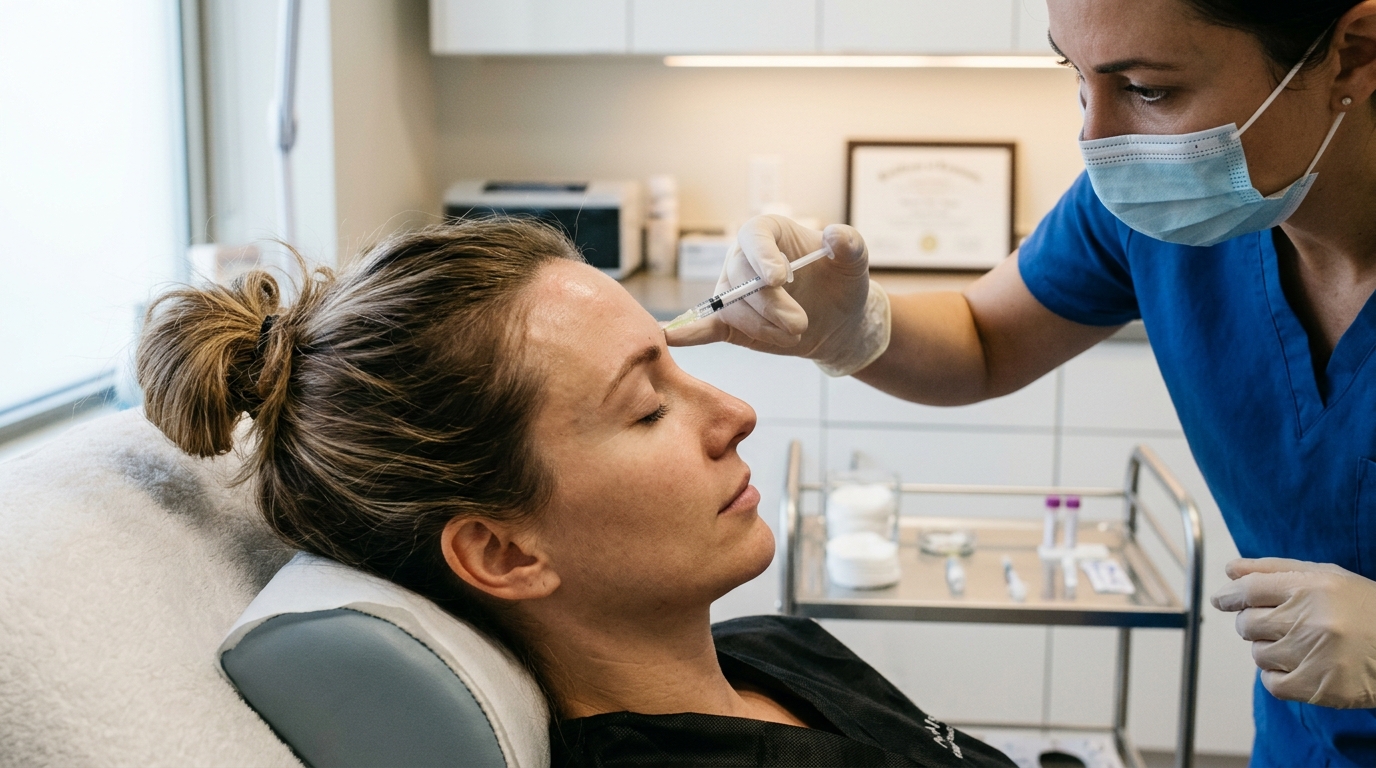
Applications are limited to lesions that a qualified clinician has assessed as suitable for laser treatment. Suspicious, changing, bleeding or diagnostically unclear lesions may require biopsy, surgical removal or specialist referral instead.

A treated lesion may be removed in one session, but recurrence, residual tissue, colour change or scarring can occur. The area heals like a small wound and the final appearance takes time to settle.
Risks include pain, bleeding, infection, delayed healing, scarring, pigment change, recurrence and accidental damage to nearby tissue. Eye protection and smoke extraction are important. Histology is not possible if the entire lesion is vaporised, so diagnosis must be addressed first.
Divine Medica is known for precise aesthetic care, natural-looking outcomes, and a doctor-led treatment experience. Our specialists focus on careful assessment, refined technique, and results that stay in harmony with your features.
Cosmetic doctor, Eyelid correction doctor KNMG
Cosmetic doctor, Eyelid correction doctor KNMG
Cosmetic doctor KNMG

Cosmetic doctor, injectables specialist
“Excellent result! I am incredibly happy with the result and the doctor's expertise.”
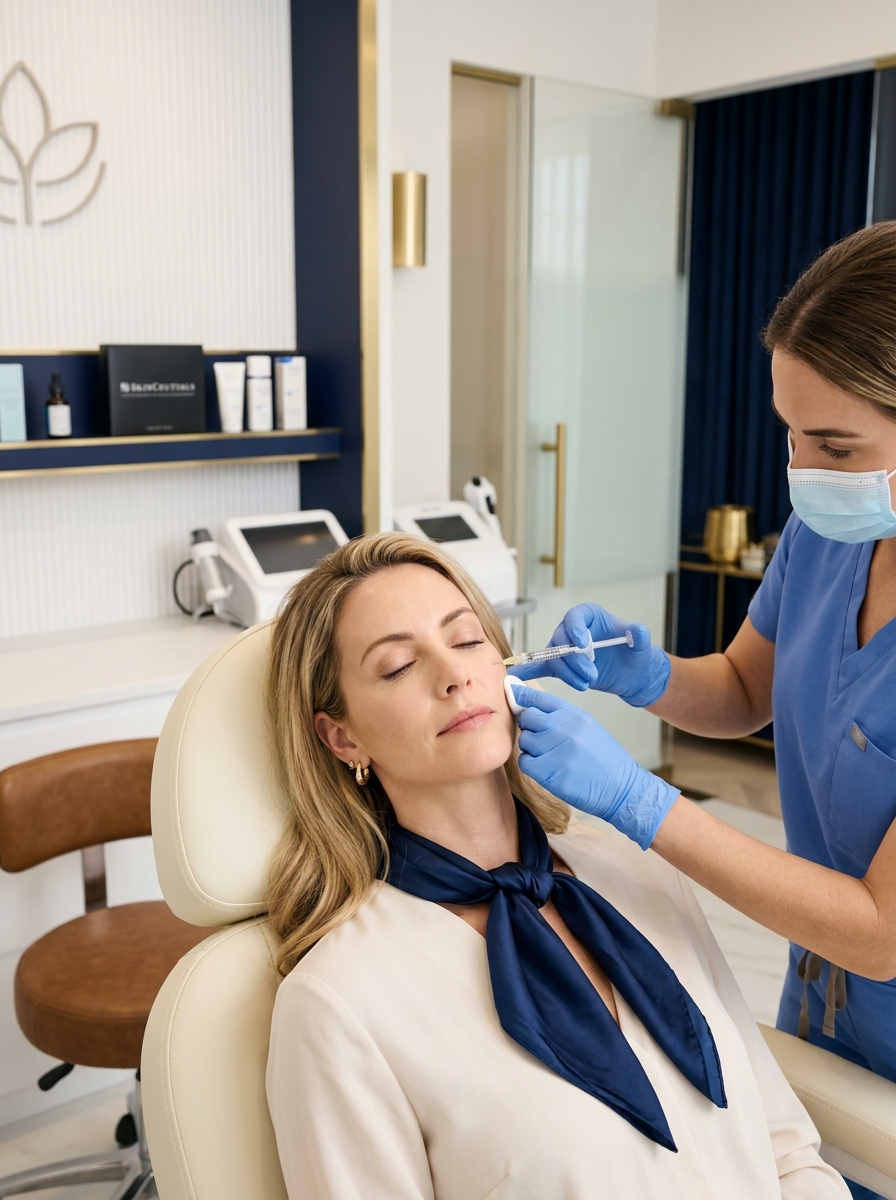
Find immediate answers about CO₂ Laser Lesion Removal, suitability, results, and recovery.
It may suit patients with a clinically assessed lesion that is appropriate for laser removal. Any suspicious feature, uncertain diagnosis, active infection or poor healing risk needs further evaluation.
Many lesions are treated once, although multiple or recurrent lesions may need further care. The clinician should reassess if healing is unusual or the lesion returns.
A small open or crusted area is expected while healing. Redness can remain after the surface closes, and colour change may take longer to settle.
The clinician first decides whether the lesion is benign and whether tissue must be sent for histology. Laser is chosen only when it is a suitable alternative to surgery, cryotherapy, medicine or observation.