Amsterdam-ZuidDen Bosch+2
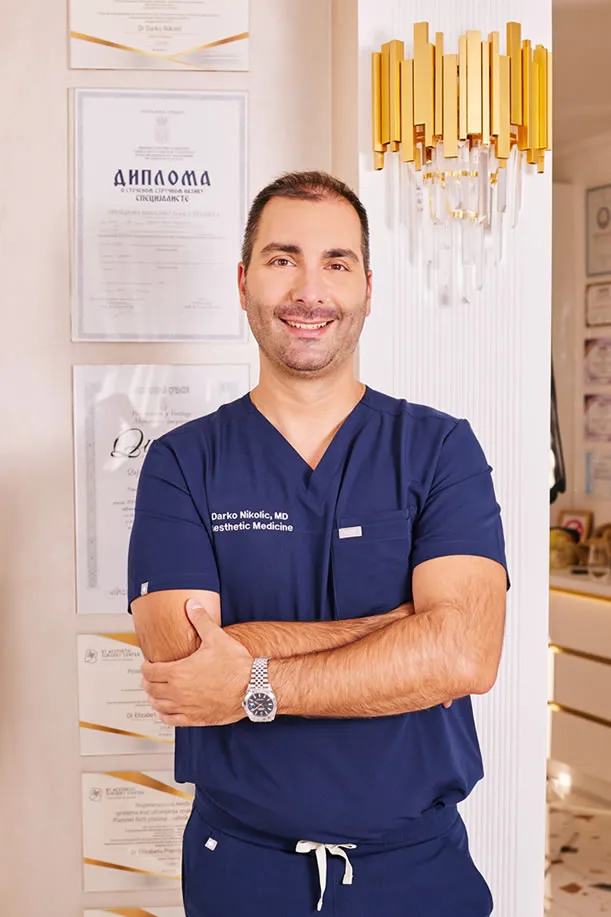
Hugo Ammerlaan
Cosmetic doctor, Eyelid correction doctor KNMG

CO₂ laser treatment uses focused carbon-dioxide laser energy to remove microscopic columns or layers of skin and stimulate controlled remodelling.

Part of Skin & Laser
10 treatments available
Resurface selected areas to improve texture, scars, lines and skin tightness.

Fractional treatment leaves areas of untreated skin between laser columns to support healing. Settings can range from light to intensive. The technique may be used on the face, around the eyes or mouth, and selected body areas when the clinician considers it appropriate.
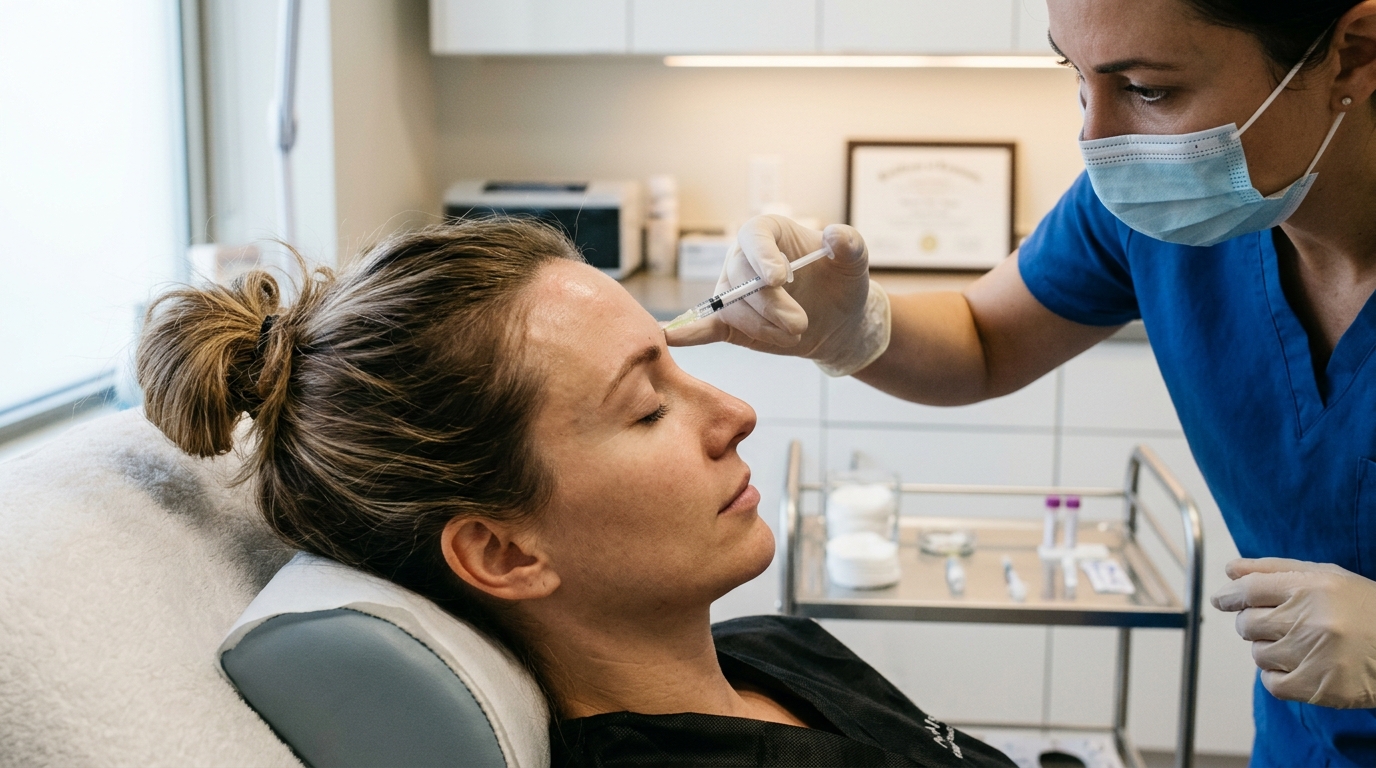
Applications may include wrinkles, smoker's lines, acne or surgical scars, stretch marks, uneven texture and selected loose or sun-damaged skin. It cannot remove all scars or replace surgery when there is substantial excess skin.

The skin continues to remodel for months after treatment. Texture and firmness may improve, but some concerns need more than one session and scars usually soften rather than disappear.
Expected effects include pain, redness, swelling, peeling and crusting. Risks include infection, delayed healing, acne flare, cold-sore reactivation, burns, scarring, prolonged redness and darker or lighter pigmentation. Careful selection, eye protection and strict aftercare are required.
Divine Medica is known for precise aesthetic care, natural-looking outcomes, and a doctor-led treatment experience. Our specialists focus on careful assessment, refined technique, and results that stay in harmony with your features.
Cosmetic doctor, Eyelid correction doctor KNMG
Cosmetic doctor, Eyelid correction doctor KNMG

Cosmetic doctor KNMG

Cosmetic doctor, injectables specialist
“Excellent result! I am incredibly happy with the result and the doctor's expertise.”
Find immediate answers about CO₂ Laser Treatments, suitability, results, and recovery.
It may suit adults who want meaningful resurfacing and can accept visible recovery. Recent tanning, active infection, certain medicines, pregnancy, poor healing or a history of problematic scarring may make treatment unsuitable.
The number of sessions depends on treatment strength and the concern. Stronger treatments may be performed less often, with adequate healing time before reassessment.
Visible redness, swelling, crusting and peeling commonly last several days and can continue longer after intensive treatment. Residual redness or pigment change may persist for weeks.
The clinician considers skin type, treatment area, scar depth, previous procedures and acceptable downtime. Lower-energy treatment or another technology may be safer for some patients.