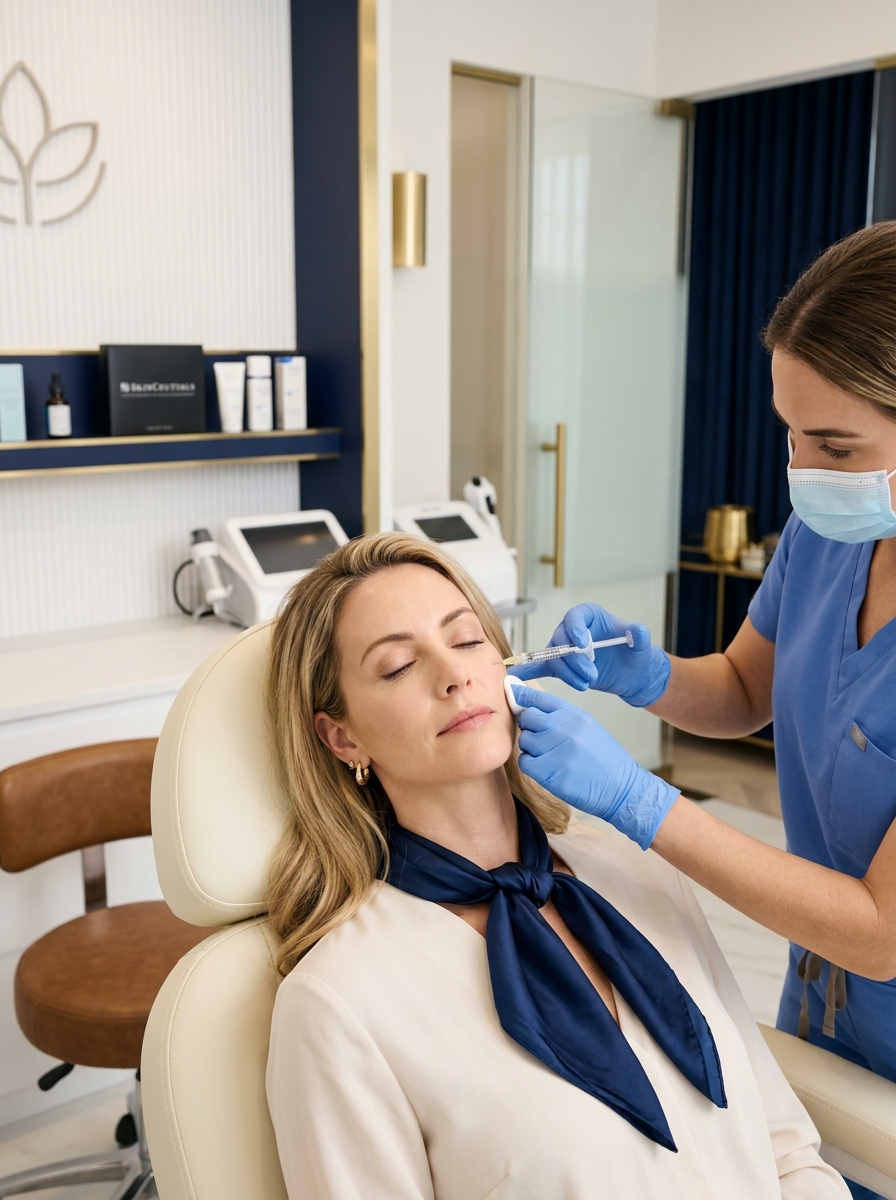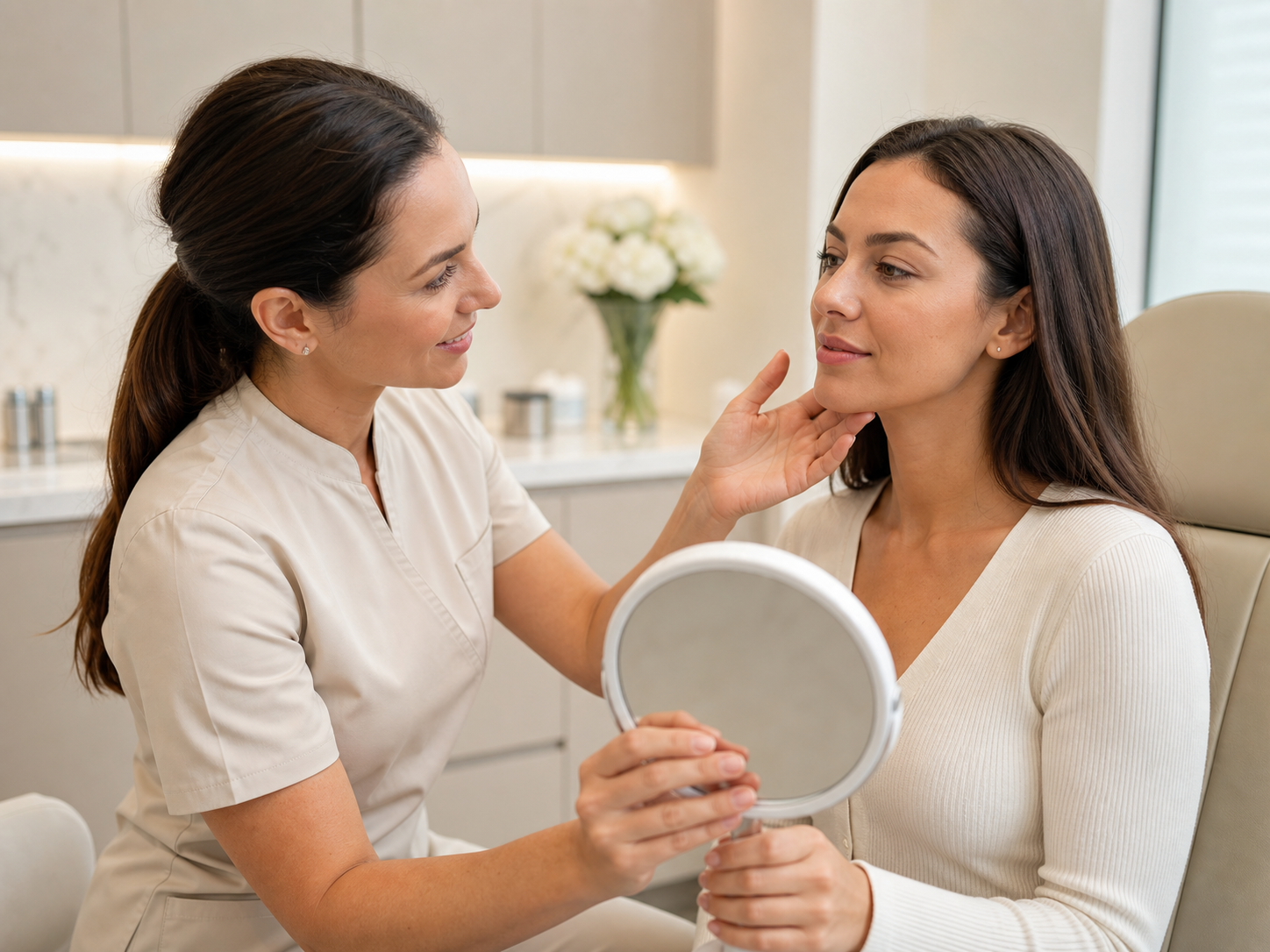
01
Initial consultation
The clinician confirms the diagnosis, checks medical history and skin type, and explains realistic results. Important alternatives are also discussed.

NATURAL. SUBTLE. YOU.
Focused Ultrasound Skin Tightening is a device-based treatment that delivers controlled ultrasound energy below the skin to improve mild laxity.

Focused Ultrasound Skin Tightening is a device-based treatment that delivers controlled ultrasound energy below the skin to improve mild laxity. The approach is personalised after a full clinical assessment.
Consider this treatment for mild laxity when you prefer gradual tightening without surgery and understand that results vary. A consultation should confirm suitability, alternatives and realistic expectations. Individual assessment remains essential before proceeding.
Focused Ultrasound Skin Tightening is a device-based treatment that delivers controlled ultrasound energy below the skin to improve mild laxity. The approach is personalised after a full clinical assessment.
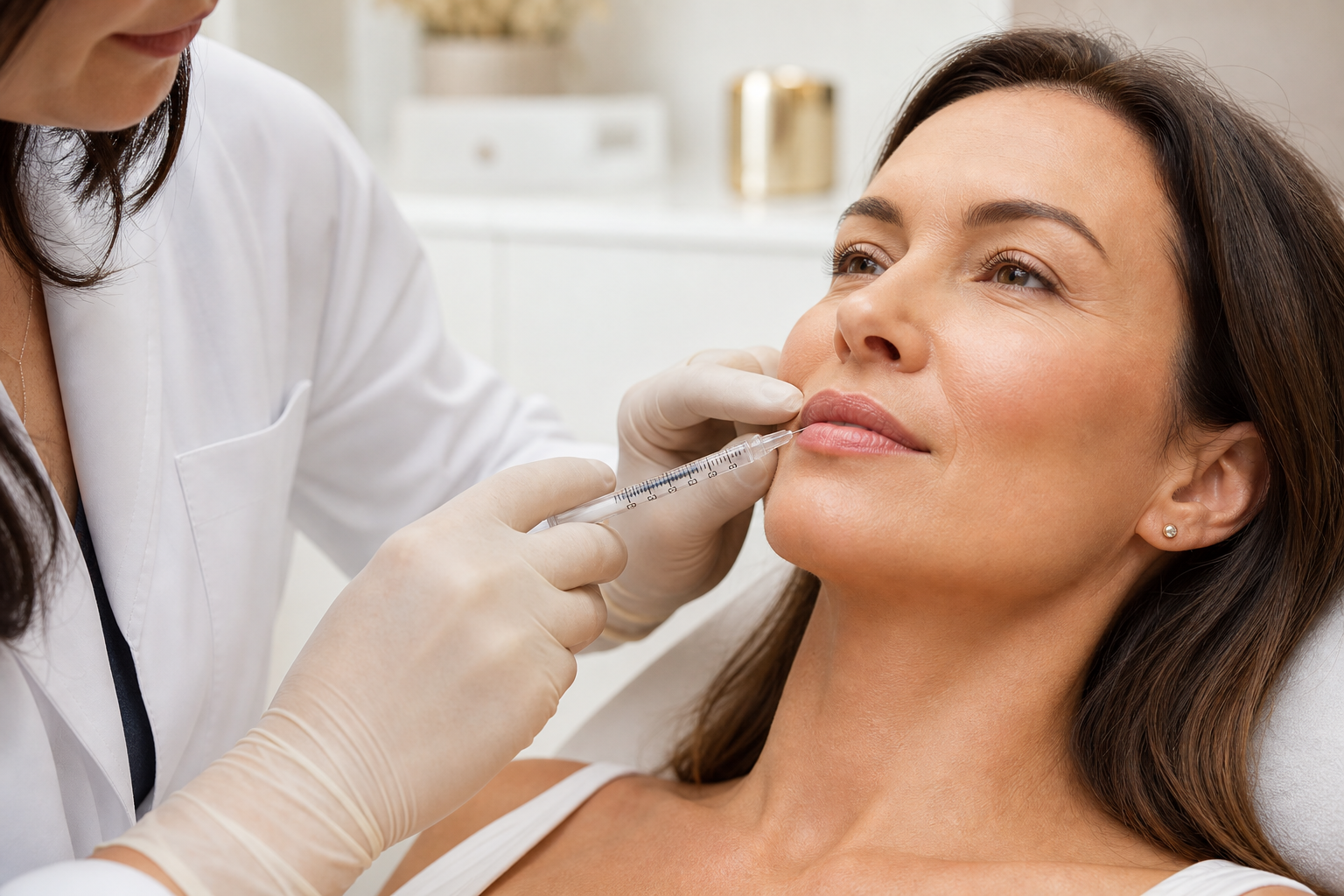
The goal is to improve mild face or neck laxity while using the lowest effective settings for the patient’s anatomy and skin. Progress is reviewed against agreed goals.
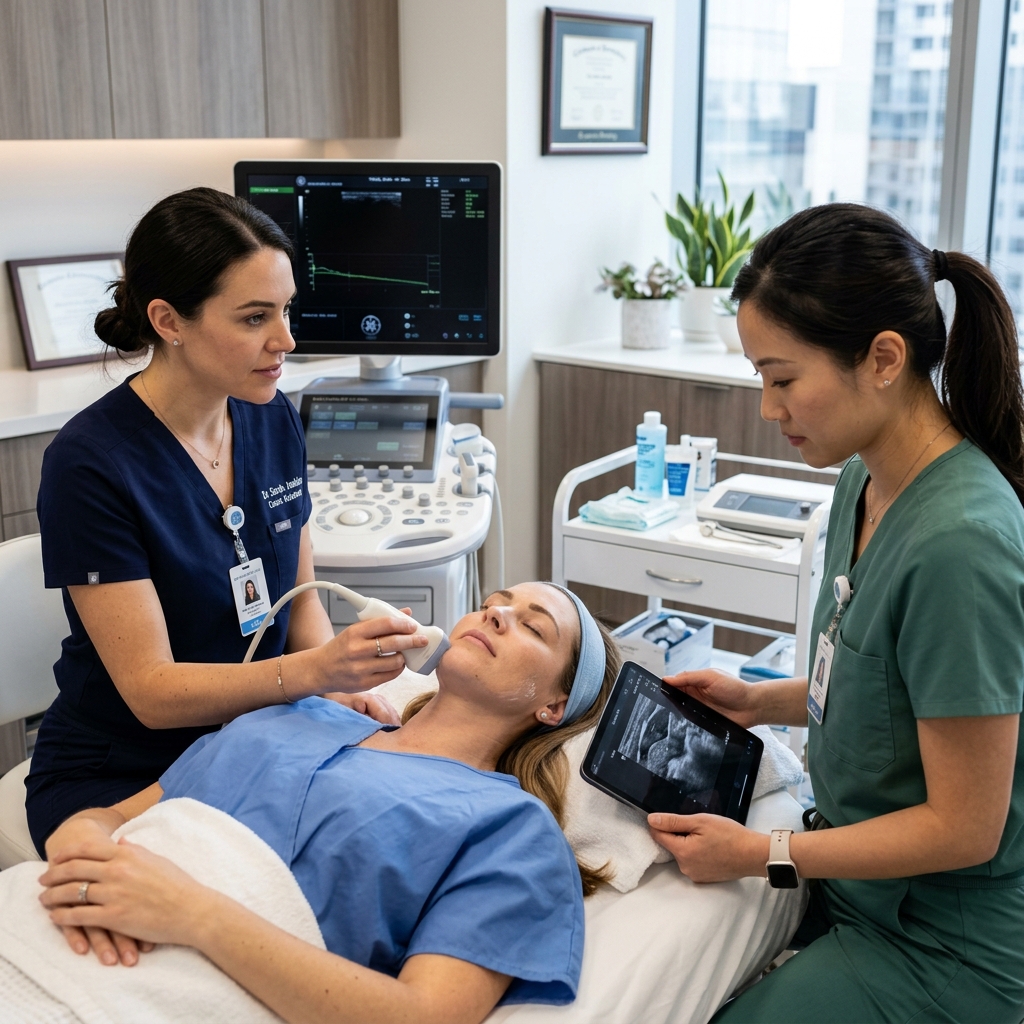
It is generally well tolerated in suitable patients when performed by a qualified practitioner after medical screening, but no treatment is risk-free. Correct diagnosis, device selection, skin-type assessment and eye protection where relevant are essential.
Temporary redness, warmth, tenderness, dryness, swelling, crusting or peeling can occur depending on treatment depth.
Possible risks include burns, infection, prolonged redness, pigment change, scarring, reactivation of cold sores and an unsatisfactory result. Unexpected symptoms need prompt clinical assessment.
Each appointment is planned around your anatomy, goals, and medical suitability.
The clinician confirms the diagnosis, checks medical history and skin type, and explains realistic results. Important alternatives are also discussed.
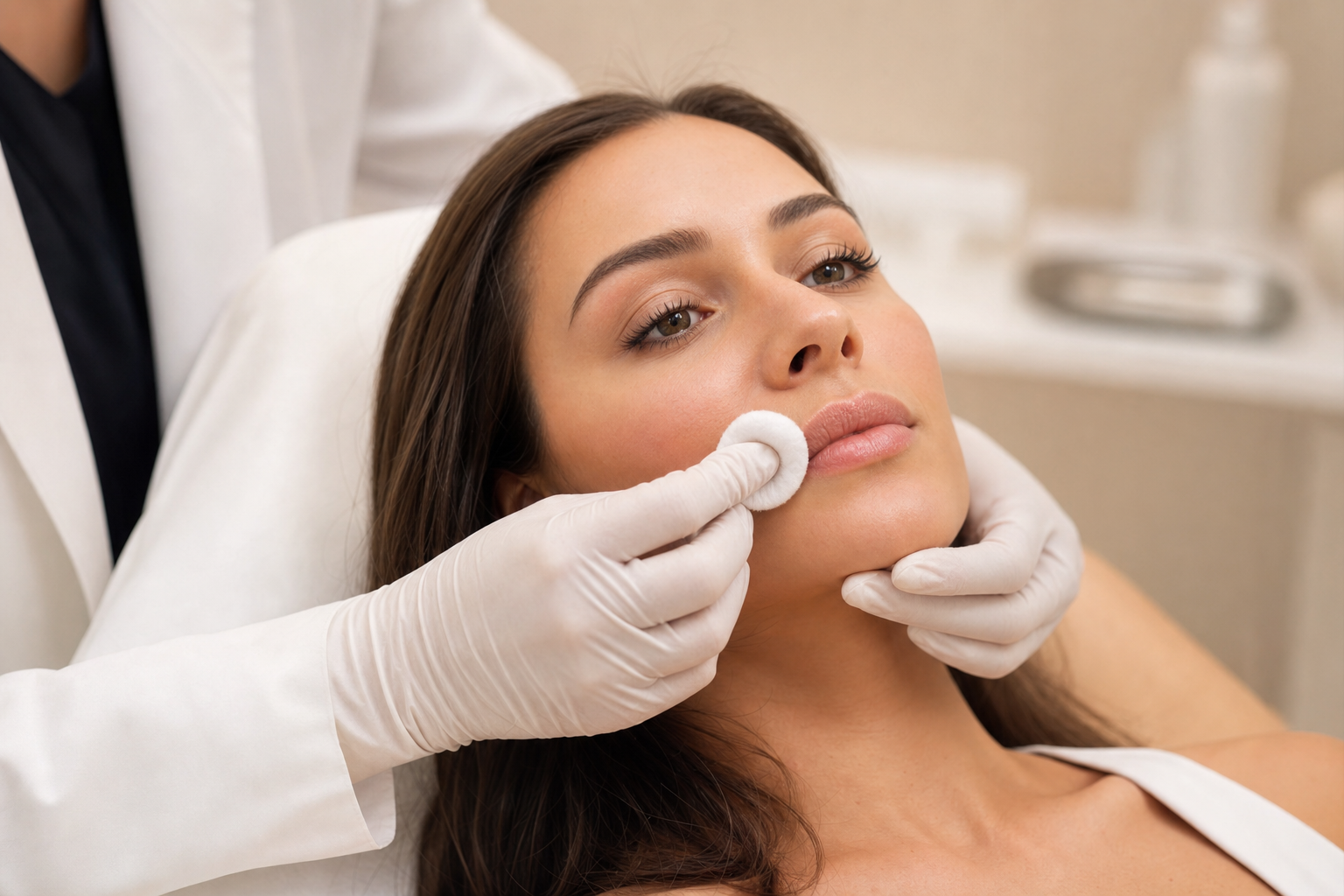
The area is cleaned, photographed and prepared, and protective measures are applied. Comfort and protection are checked.
The device is applied in controlled passes with settings adjusted to the tissue response. The treatment response is monitored.

The skin is cooled or protected, aftercare is explained and follow-up is planned. Follow-up timing is confirmed clearly.
Share your medical history, allergies, medicines and previous procedures, and do not stop prescribed medicine unless the prescribing clinician advises it. Avoid tanning and postpone treatment for active infection, open wounds or unexplained lesions.
Use gentle skincare and high sun protection, avoid picking or strong active products, and follow the clinic’s instructions about heat and exercise. Urgent concerns should be reported promptly.
Gradual firming may become visible after 4-8 weeks. The best result is usually assessed after 3-6 months.
Exact treatment planning and pricing are confirmed during consultation.
Prices may vary depending on product, amount, and treatment combination.
Each treatment is adapted to your anatomy, goals, product suitability, and safe clinical sequencing.
 Clinical note
It may be combined with skincare, injectables or other devices only when the skin has healed and the sequence is clinically planned. Clinical sequencing and timing remain important.
Clinical noteThe practitioner should confirm the diagnosis, suitability, realistic outcome and consent before treatment. Record the diagnosis, device, settings, treatment area, skin response and aftercare.
Find direct answers about Focused Ultrasound Skin Tightening, suitability, results, and aftercare.
Focused Ultrasound Skin Tightening is a device-based treatment that delivers controlled ultrasound energy below the skin to improve mild laxity. The approach is personalised after a full clinical assessment.
The appointment usually takes 30-90 minutes. Gradual firming may become visible after 4-8 weeks. The best result is usually assessed after 3-6 months. Improvement commonly lasts about 6-18 months, depending on the device, area and ageing. Maintenance may be considered after the response has been reviewed. Future timing follows clinical review.
Discomfort is usually rated around 2-3 out of 10, although each person's experience can differ. Anaesthesia is often unnecessary, although topical numbing may be used for some devices. Expected downtime is 0-3 days. Normal activity follows clinical advice. Mild swelling can last 1-3 days. Duration varies with the treated area and individual response. Temporary redness, warmth, tenderness, dryness, swelling, crusting or peeling can occur depending on treatment depth.
Consider this treatment for mild laxity when you prefer gradual tightening without surgery and understand that results vary. A consultation should confirm suitability, alternatives and realistic expectations. Individual assessment remains essential before proceeding. It is generally well tolerated in suitable patients when performed by a qualified practitioner after medical screening, but no treatment is risk-free. Correct diagnosis, device selection, skin-type assessment and eye protection where relevant are essential. Share your medical history, allergies, medicines and previous procedures, and do not stop prescribed medicine unless the prescribing clinician advises it. Avoid tanning and postpone treatment for active infection, open wounds or unexplained lesions. Use gentle skincare and high sun protection, avoid picking or strong active products, and follow the clinic’s instructions about heat and exercise. Urgent concerns should be reported promptly.