Amsterdam-ZuidDen Bosch+2
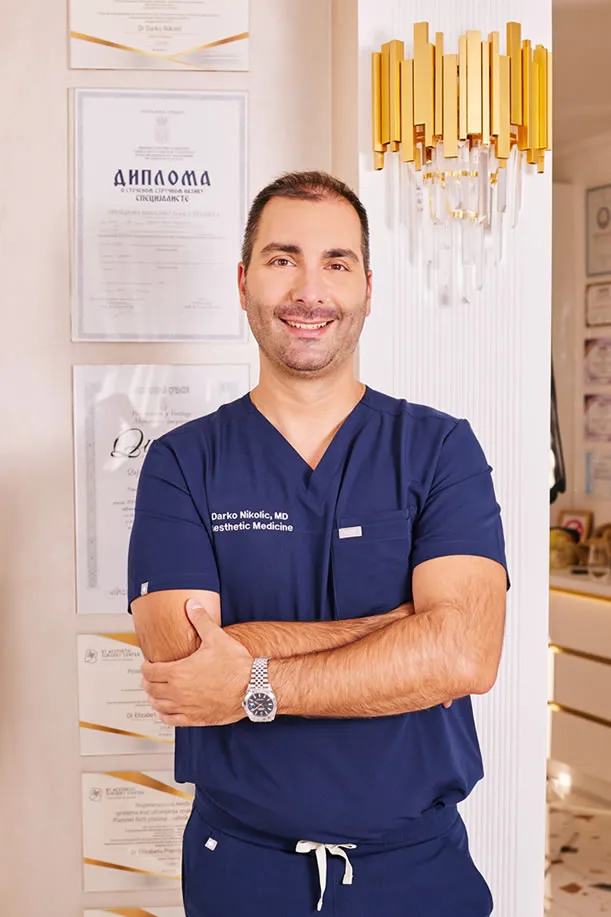
Hugo Ammerlaan
Cosmetic doctor, Eyelid correction doctor KNMG

Men's programmes are personalised treatment plans designed around the individual's skin, facial structure, lifestyle and goals.

Part of Signature Programs
0 treatments available
Straightforward plans for skin quality, repair and natural-looking maintenance.

The programmes may combine skincare, facials, devices, injectables or recovery-focused treatments. The approach does not rely on a single idea of how men should look; treatment is based on anatomy and the patient's priorities.
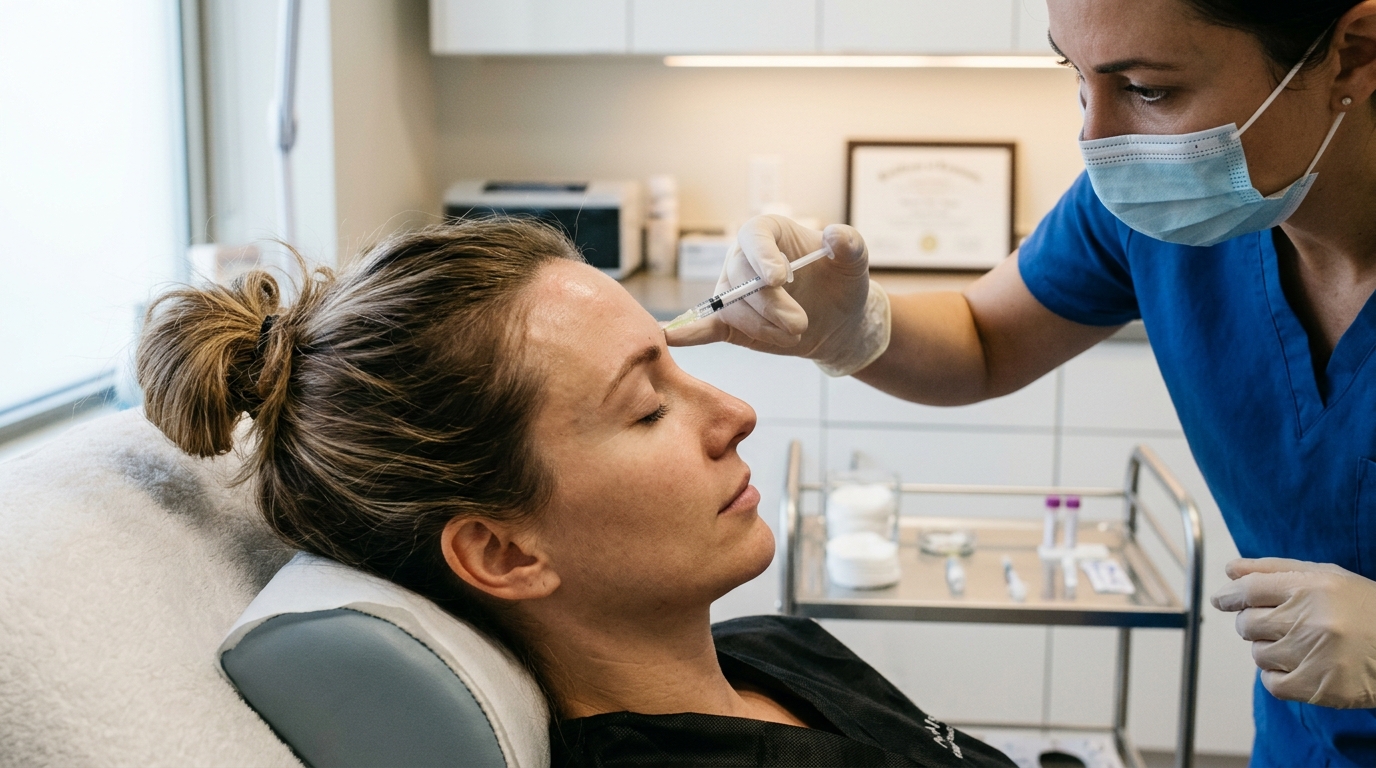
Applications may include congestion, shaving irritation, sun damage, texture, hair concerns, expression lines or recovery around a busy schedule. Medical skin or hair conditions still require diagnosis.

Results depend on the selected treatments and are usually planned to look natural. Some improvements are immediate, while others need a course and maintenance.
Risks and downtime depend on the procedures included. Combining treatments can increase irritation, swelling or bruising, so sequencing and aftercare matter. Prescription or injectable treatments require medical assessment.
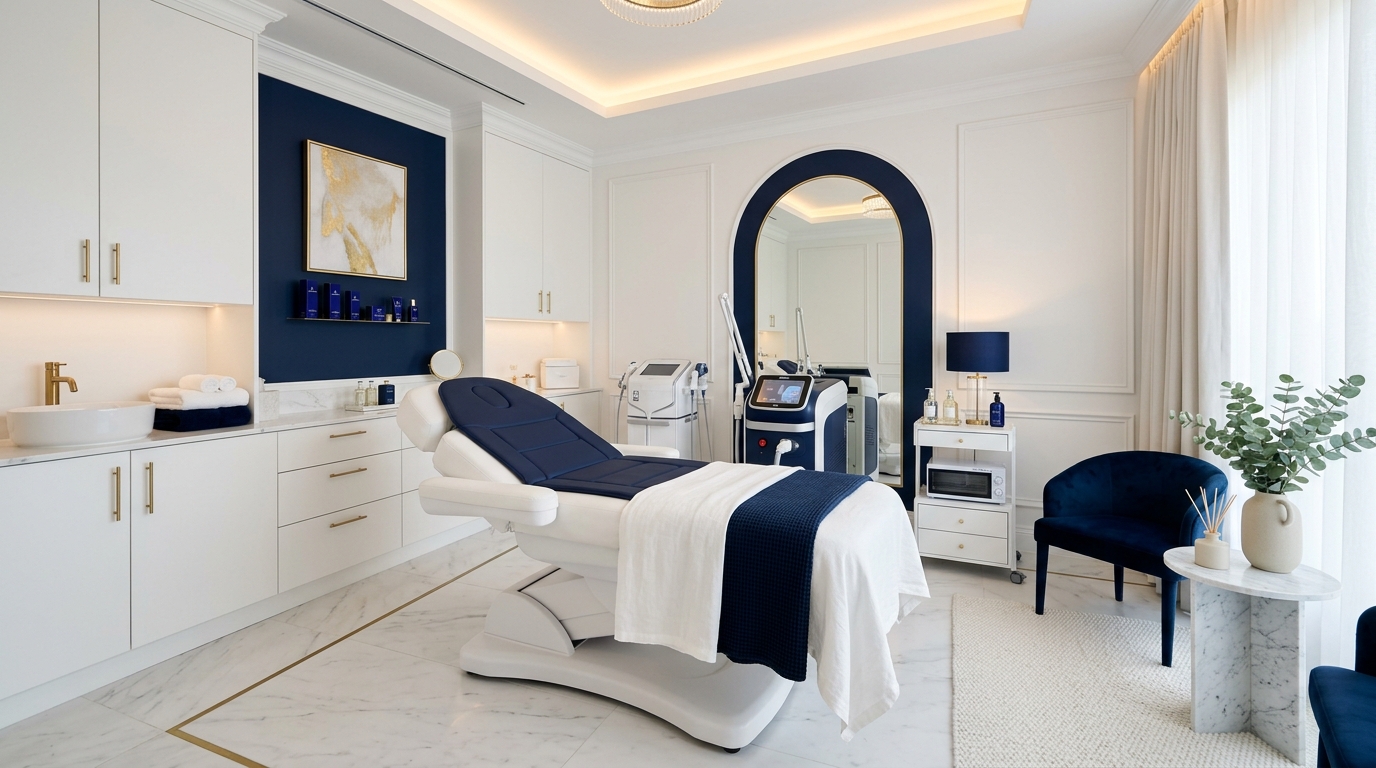
Divine Medica is known for precise aesthetic care, natural-looking outcomes, and a doctor-led treatment experience. Our specialists focus on careful assessment, refined technique, and results that stay in harmony with your features.
Cosmetic doctor, Eyelid correction doctor KNMG
Cosmetic doctor, Eyelid correction doctor KNMG

Cosmetic doctor KNMG

Cosmetic doctor, injectables specialist
“Excellent result! I am incredibly happy with the result and the doctor's expertise.”
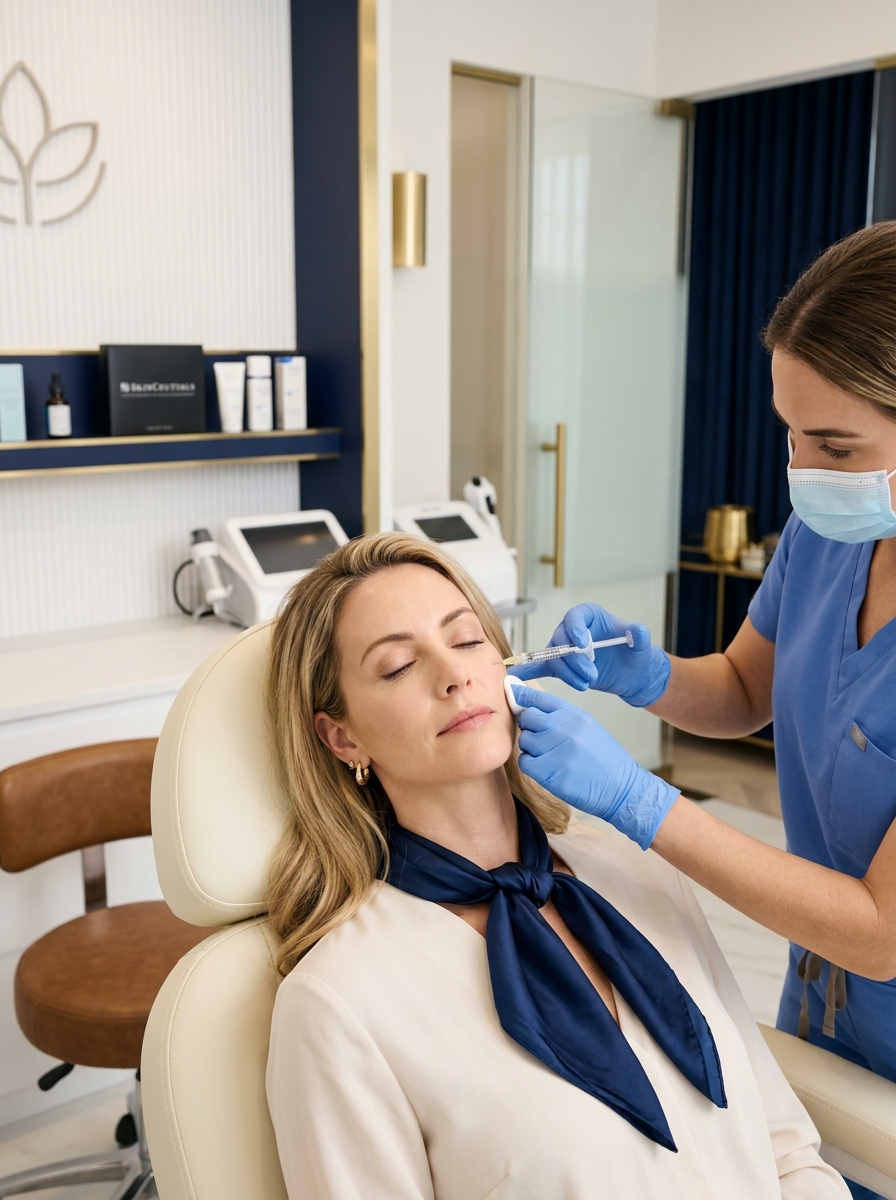
Find immediate answers about Men’s Programs, suitability, results, and recovery.
It may suit adult men who want a practical, personalised plan and realistic outcomes. The programme is adjusted for skin sensitivity, beard area, work demands and previous treatment.
A plan can range from one maintenance visit to a staged course over several months. Reviews prevent unnecessary repetition.
Downtime is selected around the patient's schedule. Non-invasive facials may have little recovery, while peels, lasers or injectables can cause visible redness, peeling, swelling or bruising.
The clinician discusses the main concern, preferred level of change, time available for recovery and medical history, then chooses a simple plan rather than adding treatments without a clear purpose.