Amsterdam-ZuidDen Bosch+2
Hugo Ammerlaan
Cosmetic doctor, Eyelid correction doctor KNMG

A chemical peel applies a controlled solution to remove or loosen selected surface layers of skin and encourage renewal.

Part of Skin & Laser
13 treatments available
Refresh texture, pores, acne and pigmentation with a peel selected for the skin.
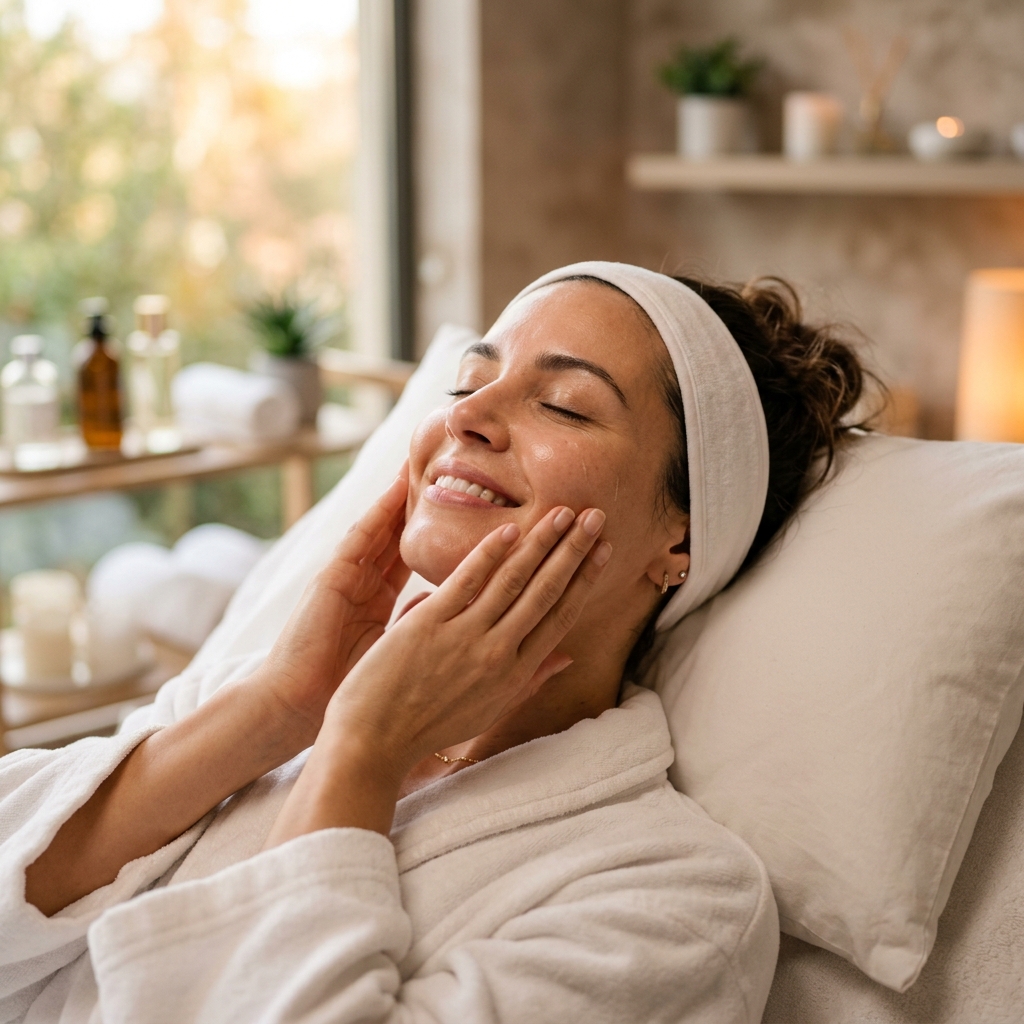
Peels range from superficial to deeper treatments and may use salicylic, glycolic, lactic, retinoid, TCA or blended formulas. Branded peels have specific protocols. The strength, contact time and preparation determine both the effect and the risk.
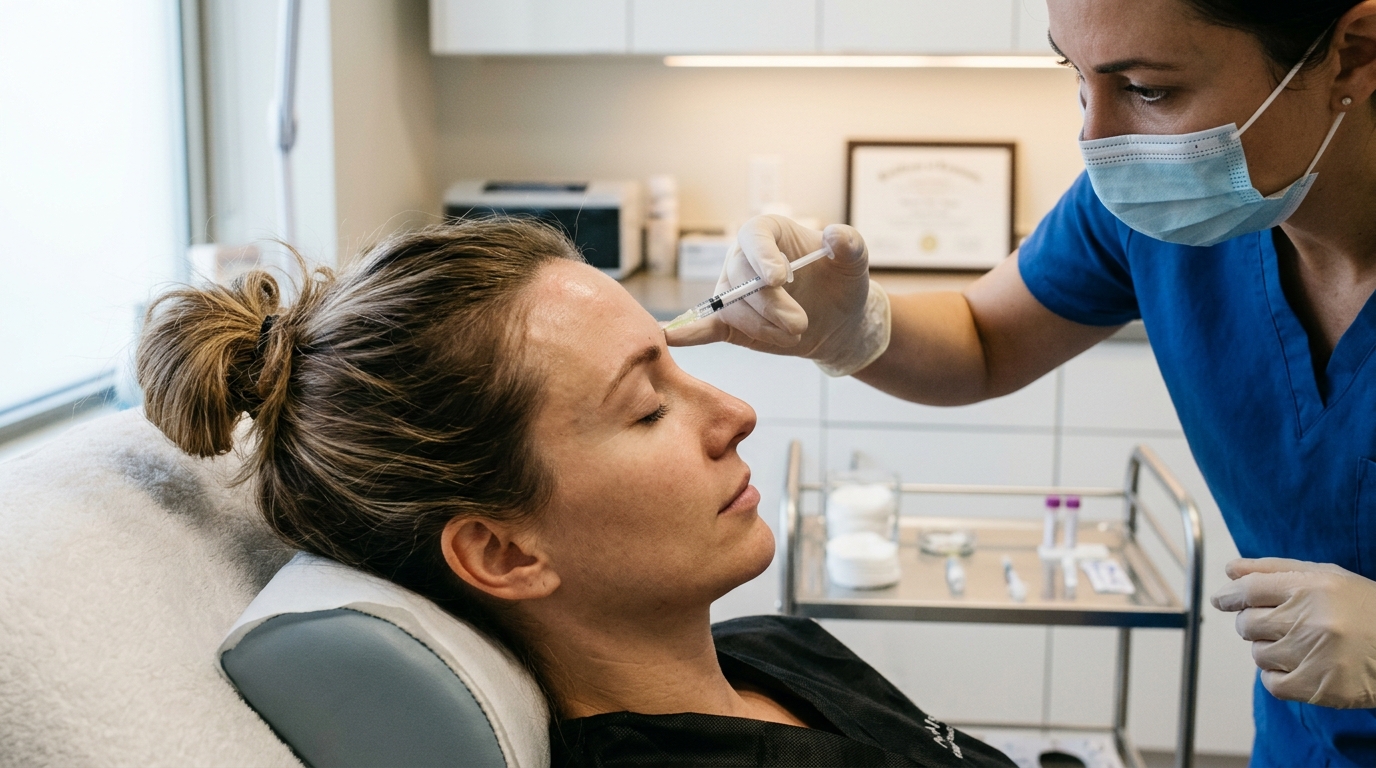
Applications may include acne, oily skin, blocked pores, uneven texture, fine lines, superficial pigmentation and sun damage. Melasma and post-inflammatory pigmentation require careful planning because irritation can make them worse.

The skin may look brighter and smoother after healing. A course of lighter peels can produce gradual change, while stronger peels have more downtime. Results depend on the concern, depth and consistent sun protection.
Stinging, redness, dryness and peeling are expected to varying degrees. Risks include burns, infection, prolonged irritation, cold-sore reactivation, scarring and darker or lighter pigmentation. Strong home peels can cause serious injury and should not be used without appropriate professional guidance.
Divine Medica is known for precise aesthetic care, natural-looking outcomes, and a doctor-led treatment experience. Our specialists focus on careful assessment, refined technique, and results that stay in harmony with your features.
Cosmetic doctor, Eyelid correction doctor KNMG
Cosmetic doctor, Eyelid correction doctor KNMG

Cosmetic doctor KNMG

Cosmetic doctor, injectables specialist
“Excellent result! I am incredibly happy with the result and the doctor's expertise.”
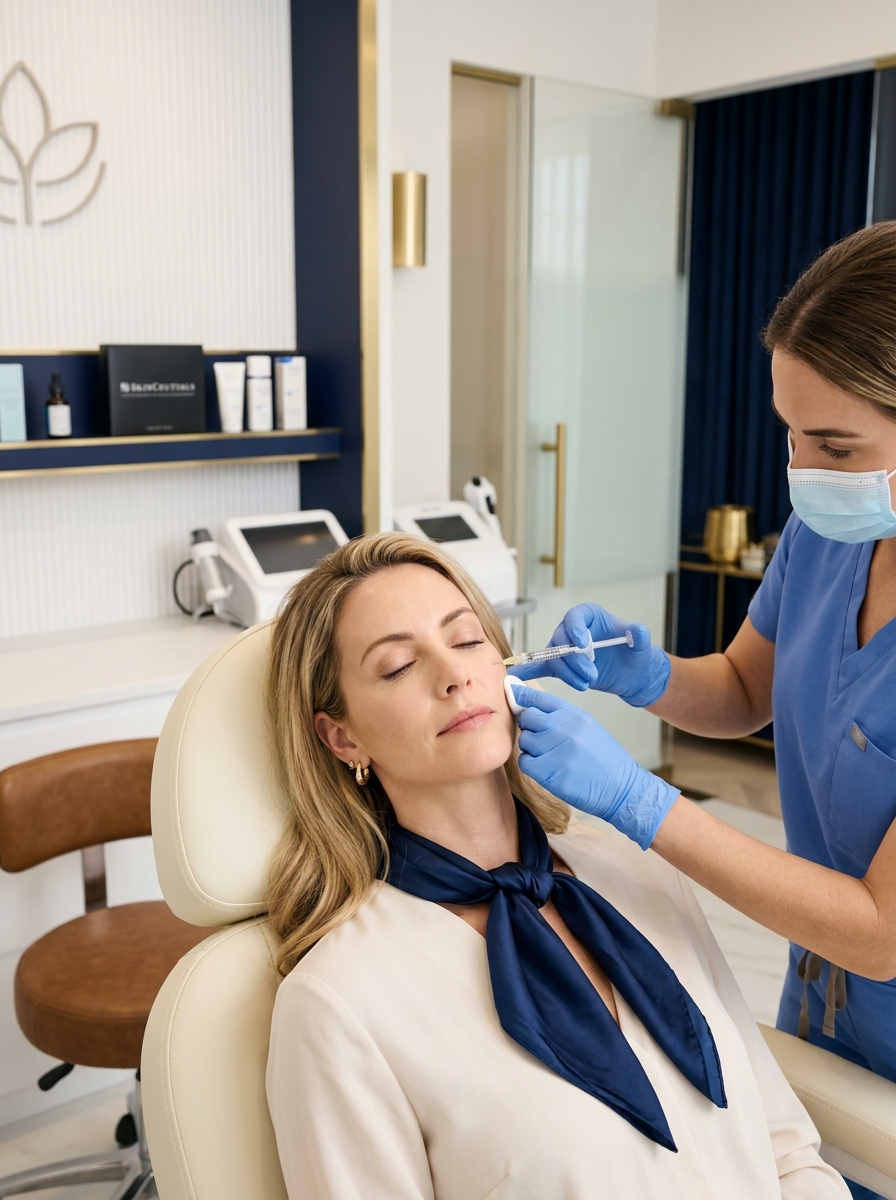
Find immediate answers about Chemical Peels, suitability, results, and recovery.
It may suit adults with a surface-level skin concern who can follow preparation, aftercare and sun-protection advice. Active infection, broken skin, recent tanning, certain medicines or poor healing may affect suitability.
Superficial peels are often performed as a course, while medium-depth treatments are spaced further apart. The plan depends on the product and skin response.
Downtime ranges from mild dryness to several days of visible peeling, redness or crusting. Deeper peels need longer recovery.
The clinician chooses the peel according to skin type, sensitivity, acne activity, pigmentation risk, current skincare and desired downtime. Pretreatment skincare or a patch test may be recommended.