Amsterdam-ZuidDen Bosch+2
Hugo Ammerlaan
Cosmetic doctor, Eyelid correction doctor KNMG

Medical Botox uses prescription botulinum toxin for selected conditions involving excessive muscle activity, chronic migraine patterns or excessive sweating.

Part of Botox
9 treatments available
Target selected overactive muscles, sweating or headache patterns after medical assessment.

Botulinum toxin temporarily reduces nerve signals to targeted muscles or sweat glands. Depending on the diagnosis, it may be considered for bruxism, enlarged or overactive jaw muscles, chronic migraine protocols, neck or shoulder muscle overactivity and hyperhidrosis. Each indication requires its own assessment and injection plan.
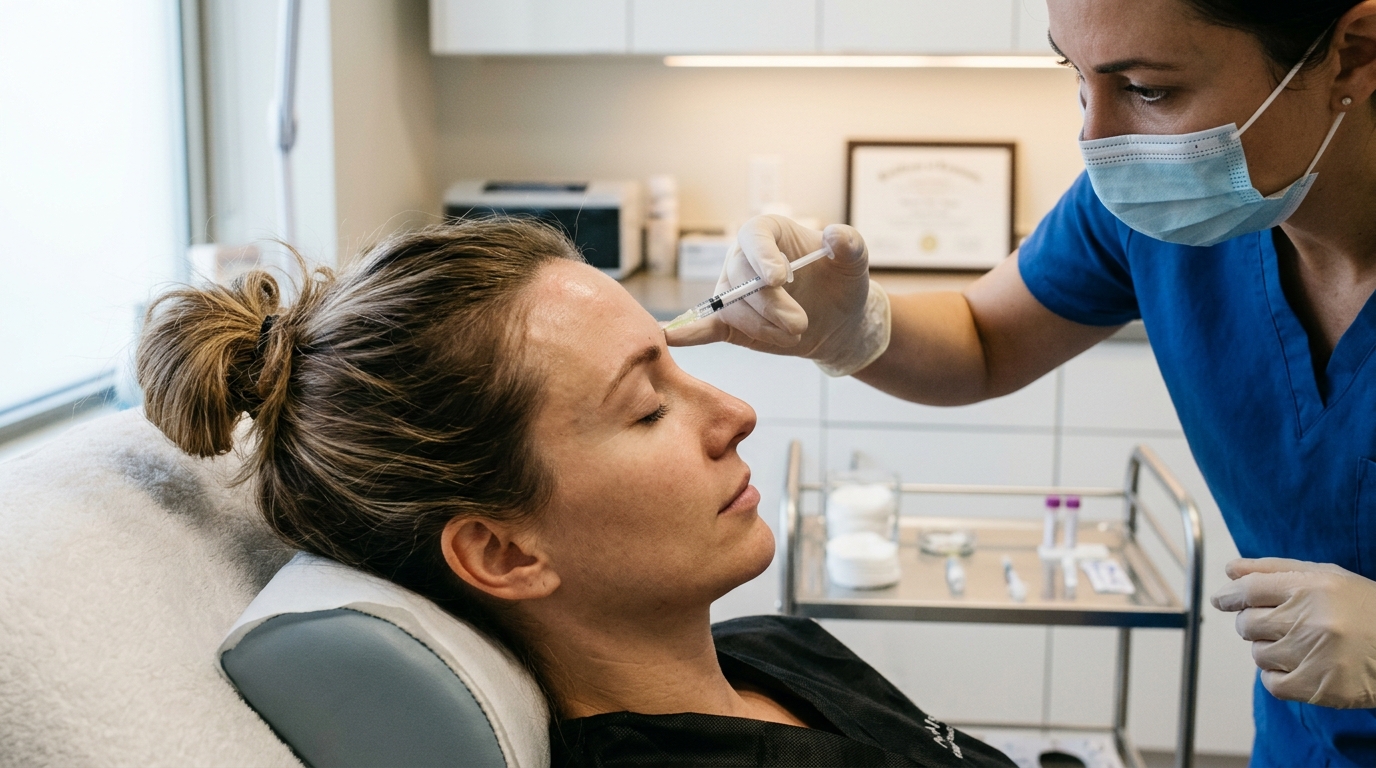
Applications may include reducing excessive muscle contraction, easing selected tension patterns, decreasing sweating or supporting an established chronic migraine treatment protocol. The treatment goal must be defined medically rather than chosen from appearance alone.

The timing and extent of improvement depend on the condition treated. Benefits usually build gradually and are temporary. Some people experience meaningful symptom reduction, while others have a partial response or need a different treatment approach.
A qualified prescriber must confirm the diagnosis, suitability and dose. Temporary pain, bruising, weakness, headache or flu-like symptoms can occur. Risks vary by area and may include chewing weakness, neck weakness, asymmetry, swallowing difficulty or breathing problems. Severe or spreading weakness requires urgent medical attention.

Divine Medica is known for precise aesthetic care, natural-looking outcomes, and a doctor-led treatment experience. Our specialists focus on careful assessment, refined technique, and results that stay in harmony with your features.
Cosmetic doctor, Eyelid correction doctor KNMG
Cosmetic doctor, Eyelid correction doctor KNMG

Cosmetic doctor KNMG

Cosmetic doctor, injectables specialist

“Excellent result! I am incredibly happy with the result and the doctor's expertise.”

Find immediate answers about Medical Botox, suitability, results, and recovery.
It may suit adults with a diagnosed or carefully assessed condition that could respond to botulinum toxin. It should not replace investigation of a new headache, unexplained pain, neurological symptoms or another condition needing specialist care.
Treatment schedules vary by diagnosis and response. A review is used to assess benefit, side effects and whether repeat treatment is justified.
Injection-site tenderness or bruising is usually brief, but some treatments can cause temporary weakness or fatigue in the targeted area. Activity advice depends on the condition and injection site.
The plan is based on diagnosis, symptom pattern, examination, previous treatments, medicines and relevant contraindications. Referral to another clinician may be advised when further investigation is needed.