01
Initial consultation
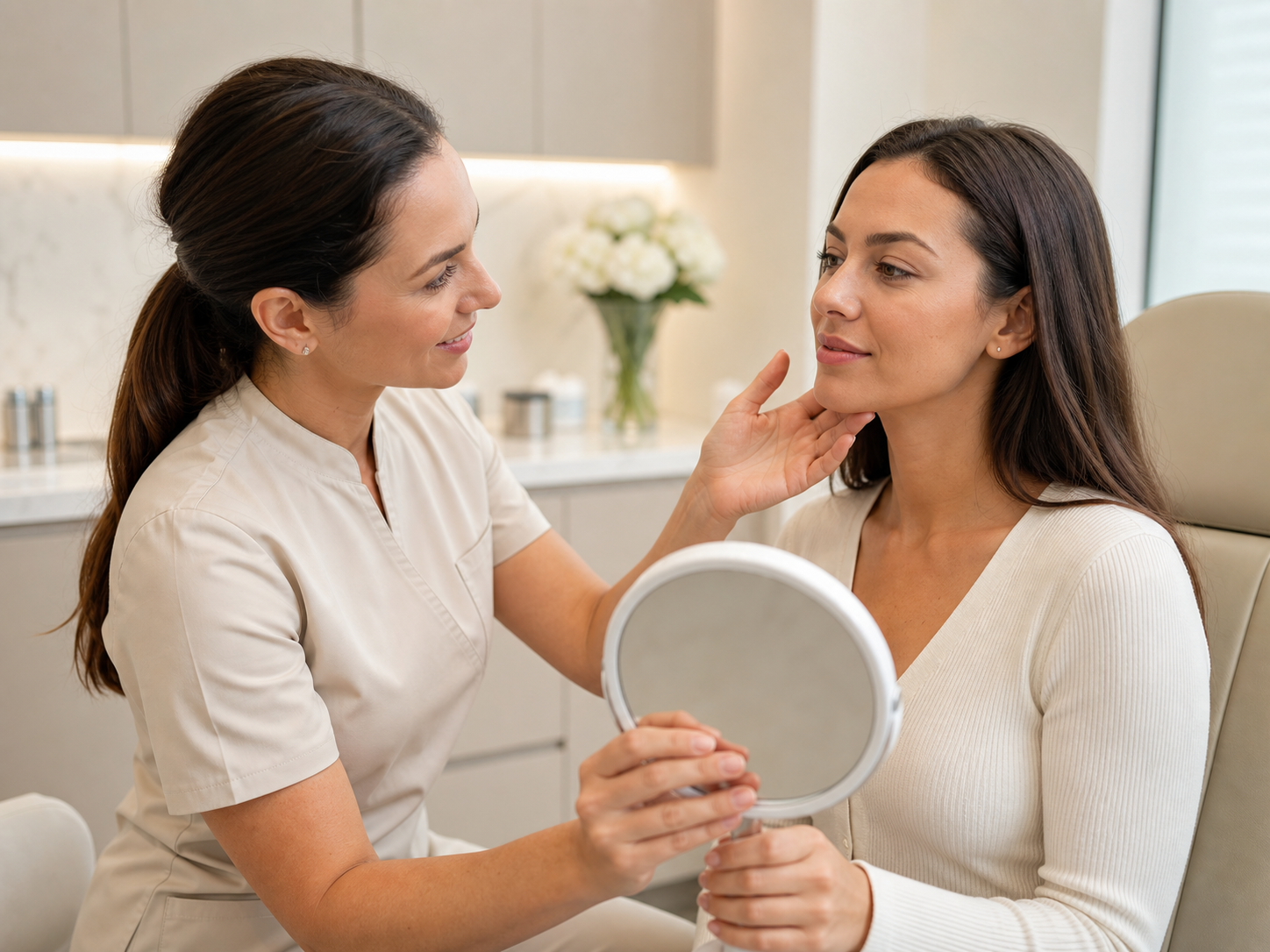
The practitioner reviews skin tone, hair colour, medicines, tanning and possible hormonal causes of excess hair. Important alternatives are also discussed.

NATURAL. SUBTLE. YOU.
Laser Hair Removal — Face is a light-based procedure designed to provide long-term reduction of unwanted hair in the selected area by heating suitable hair follicles.


Laser Hair Removal — Face is a light-based procedure designed to provide long-term reduction of unwanted hair in the selected area by heating suitable hair follicles. Individual assessment remains essential before treatment.
Consider this treatment for unwanted dark hair when there is enough pigment in the hair for the laser to target. A consultation should confirm suitability, alternatives and realistic expectations.
Laser Hair Removal — Face is a light-based procedure designed to provide long-term reduction of unwanted hair in the selected area by heating suitable hair follicles. Individual assessment remains essential before treatment.
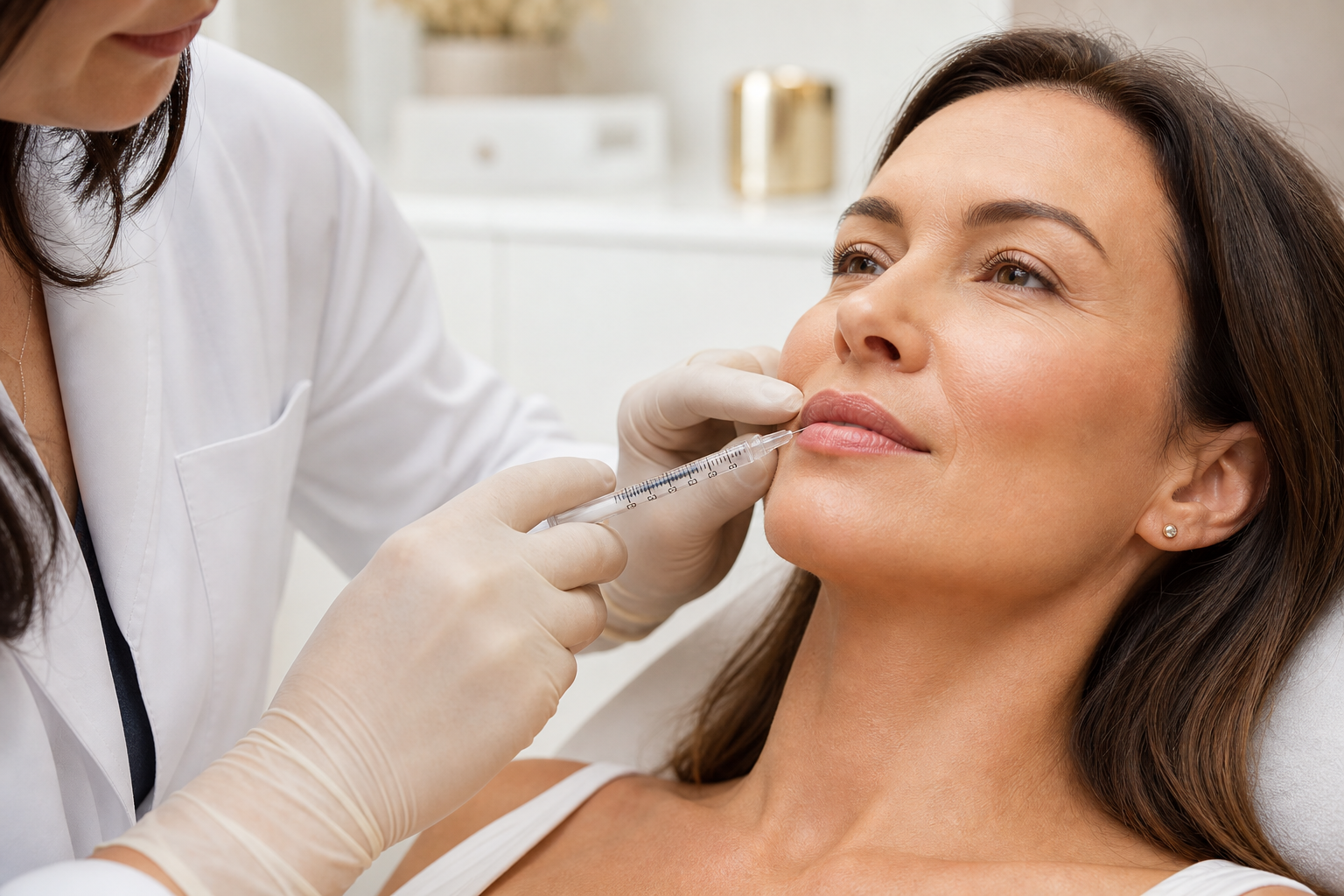
The goal is to provide long-term reduction of unwanted hair in the selected area; complete permanent removal of every hair cannot be guaranteed. Progress is reviewed against agreed goals.
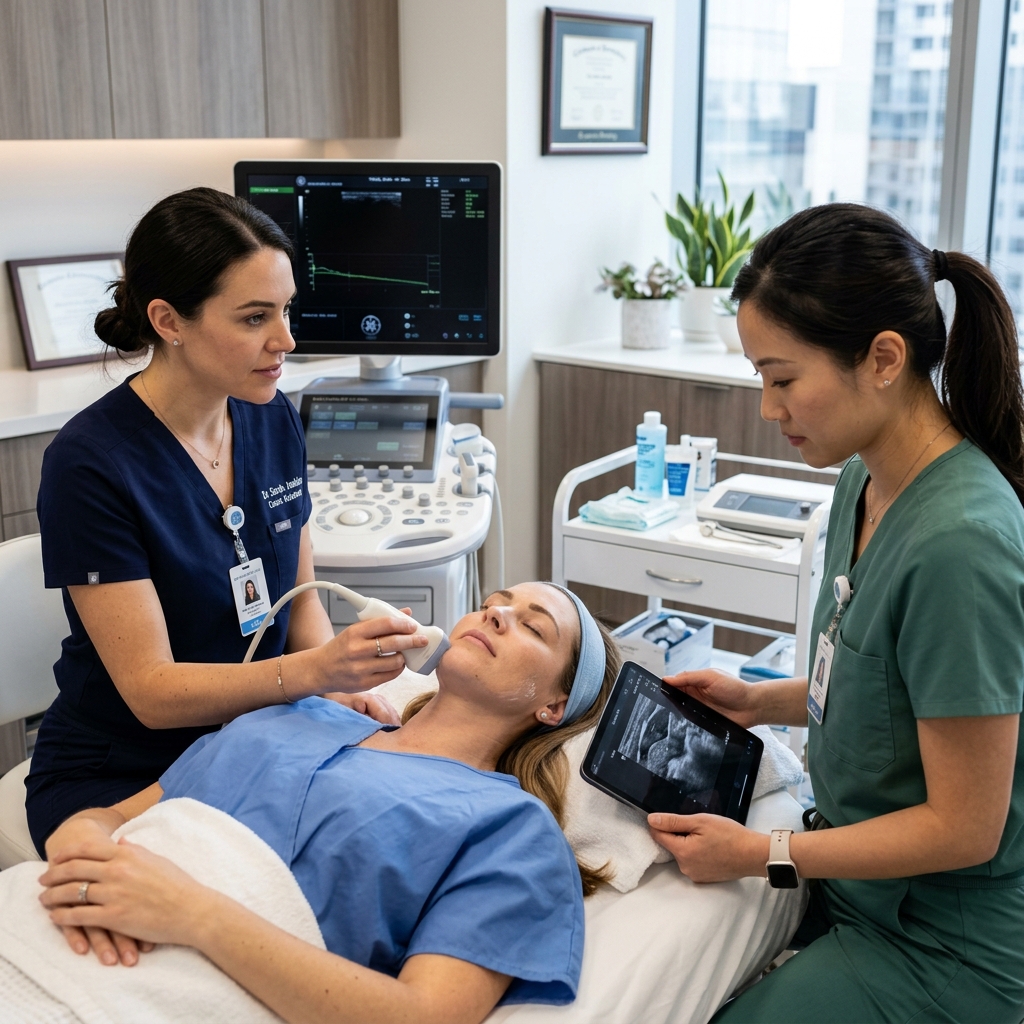
It is generally well tolerated in suitable patients when performed by a qualified practitioner after medical screening, but no treatment is risk-free. Device choice and settings must match skin tone, hair colour, tan status and treatment area.
Temporary redness, warmth, tenderness and follicle swelling can occur. These effects are usually temporary.
Possible risks include burns, blisters, pigment change, scarring, paradoxical hair growth and eye injury without correct protection. Unexpected symptoms need prompt clinical assessment.
Each appointment is planned around your anatomy, goals, and medical suitability.
The practitioner reviews skin tone, hair colour, medicines, tanning and possible hormonal causes of excess hair. Important alternatives are also discussed.
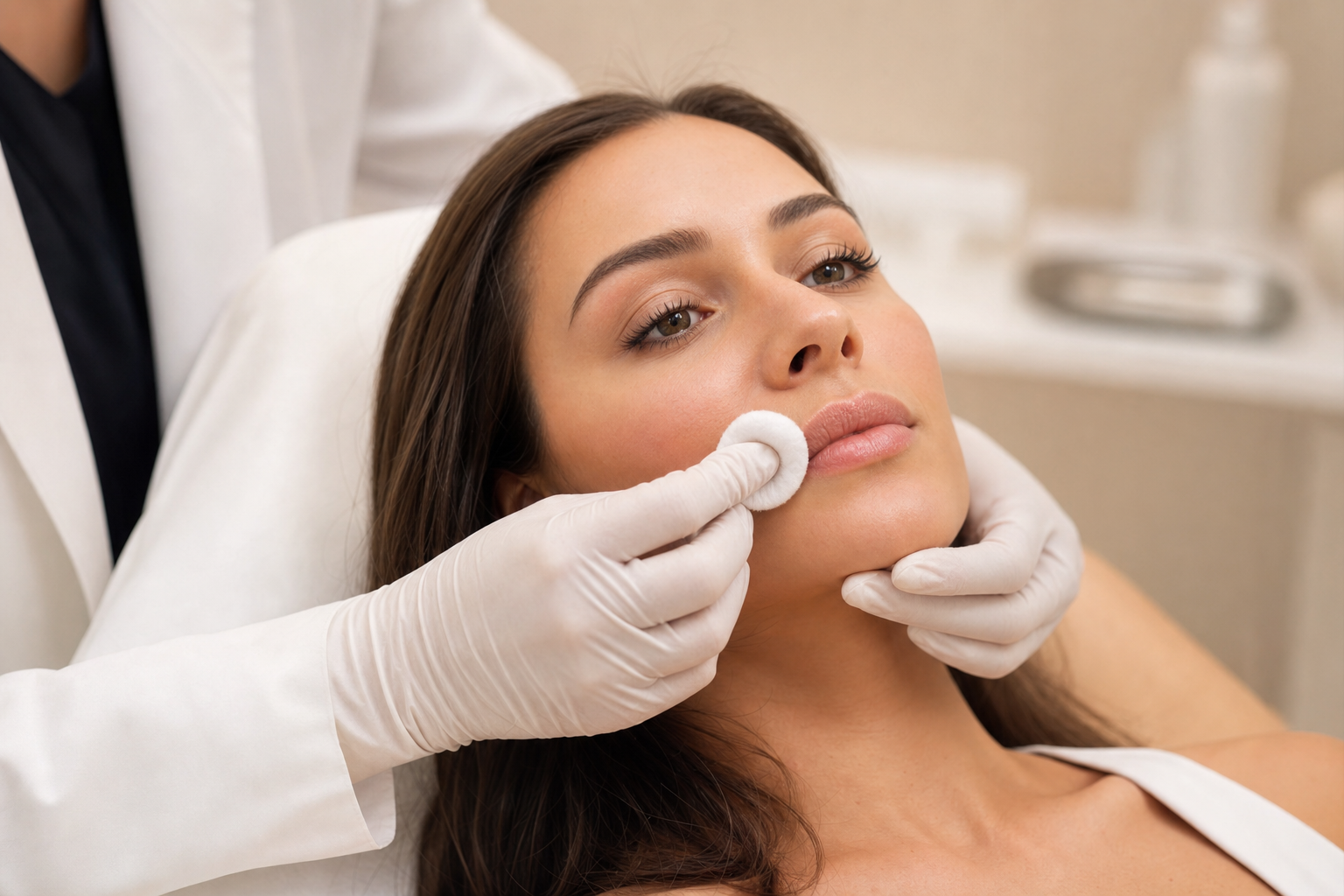
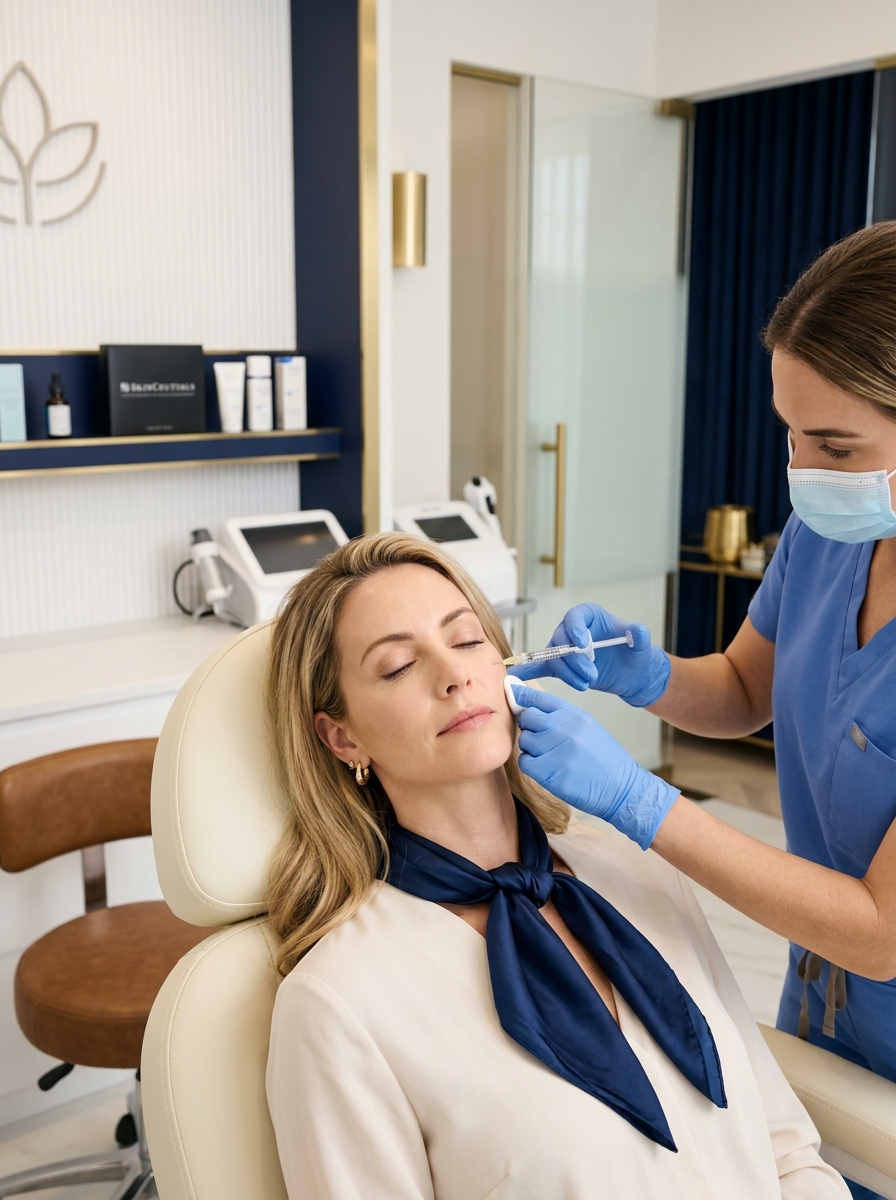
A test area may be treated, and the skin is shaved, cleaned and protected. Comfort and protection are checked.
Laser pulses are delivered systematically with cooling and skin-response checks. The tissue response is monitored throughout. The treatment response is monitored.

Aftercare is applied and the next session is timed to the hair-growth cycle. Follow-up timing is confirmed clearly.
Share your medical history, allergies, medicines and previous procedures, and do not stop prescribed medicine unless the prescribing clinician advises it. Avoid tanning and stop waxing or plucking for the advised period; shaving is normally allowed.
Cool the skin if needed, use sun protection and avoid heat, friction and strong active products until redness settles. Contact the clinic if symptoms become severe or unusual.
Treated hairs usually shed over 1-3 weeks, and reduction becomes clearer after several sessions. The final result is assessed after a full course, commonly 6-10 sessions spaced around the hair-growth cycle.
Exact treatment planning and pricing are confirmed during consultation.
Prices may vary depending on product, amount, and treatment combination.
Each treatment is adapted to your anatomy, goals, product suitability, and safe clinical sequencing.
 Clinical note
It may be combined with medical assessment or treatment for hormonal hair growth, but irritating skin procedures should be separated. Clinical sequencing and timing remain important.
Clinical noteThe practitioner should confirm the diagnosis, suitability, realistic outcome and consent before treatment. Record the device, wavelength, settings, test response and sun-exposure advice.
Find direct answers about Laser Hair Removal — Face, suitability, results, and aftercare.
Laser Hair Removal — Face is a light-based procedure designed to provide long-term reduction of unwanted hair in the selected area by heating suitable hair follicles. Individual assessment remains essential before treatment.
The appointment usually takes 15-90 minutes, depending on the body area. Treated hairs usually shed over 1-3 weeks, and reduction becomes clearer after several sessions. The final result is assessed after a full course, commonly 6-10 sessions spaced around the hair-growth cycle. Results can provide long-term hair reduction, but hormonal change and new growth can require maintenance. Occasional maintenance sessions may be needed after the initial course. Future timing follows clinical review.
Discomfort is usually rated around 2-3 out of 10, although each person's experience can differ. Anaesthesia is usually not required; integrated cooling may improve comfort. There is usually no downtime. Normal activity follows clinical advice. Small bumps around hair follicles can last several hours and occasionally 1-2 days. Temporary redness, warmth, tenderness and follicle swelling can occur. These effects are usually temporary.
Consider this treatment for unwanted dark hair when there is enough pigment in the hair for the laser to target. A consultation should confirm suitability, alternatives and realistic expectations. It is generally well tolerated in suitable patients when performed by a qualified practitioner after medical screening, but no treatment is risk-free. Device choice and settings must match skin tone, hair colour, tan status and treatment area. Share your medical history, allergies, medicines and previous procedures, and do not stop prescribed medicine unless the prescribing clinician advises it. Avoid tanning and stop waxing or plucking for the advised period; shaving is normally allowed. Cool the skin if needed, use sun protection and avoid heat, friction and strong active products until redness settles. Contact the clinic if symptoms become severe or unusual.