Amsterdam-ZuidDen Bosch+2
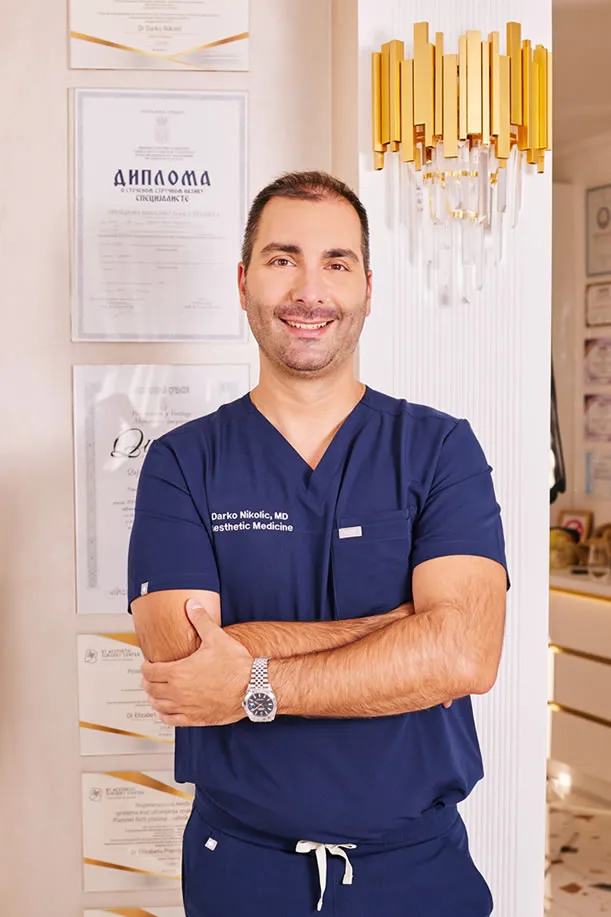
Hugo Ammerlaan
Cosmetic doctor, Eyelid correction doctor KNMG

Laser skin rejuvenation uses controlled light, radiofrequency or related energy to create a planned skin response and improve selected concerns.
Part of Skin & Laser
4 treatments available
Improve texture, tone and selected signs of ageing with a device matched to the skin.
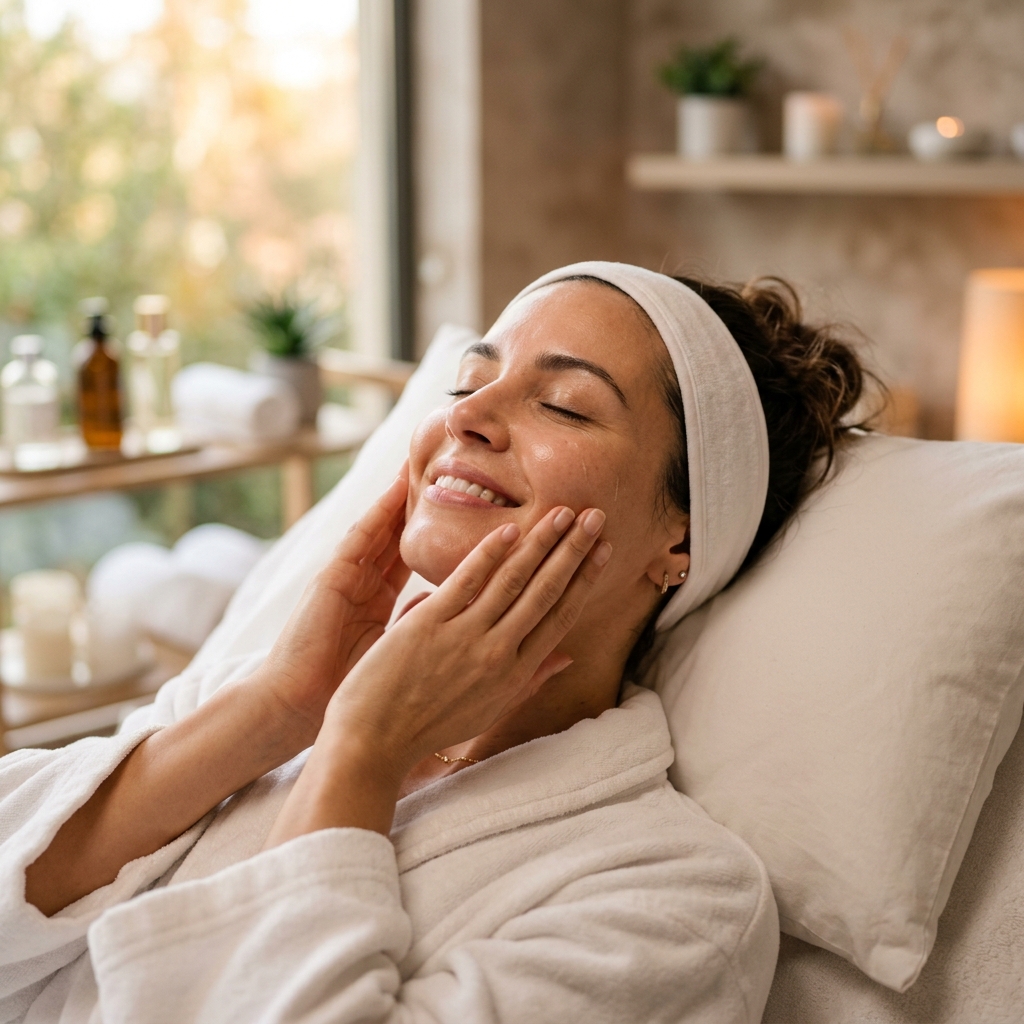
The group includes fractional CO₂ resurfacing, medical IPL, fractional RF microneedling and LED photobiomodulation. These technologies work at different depths and should not be treated as interchangeable. Device settings must account for skin type, concern, medical history and previous treatment.
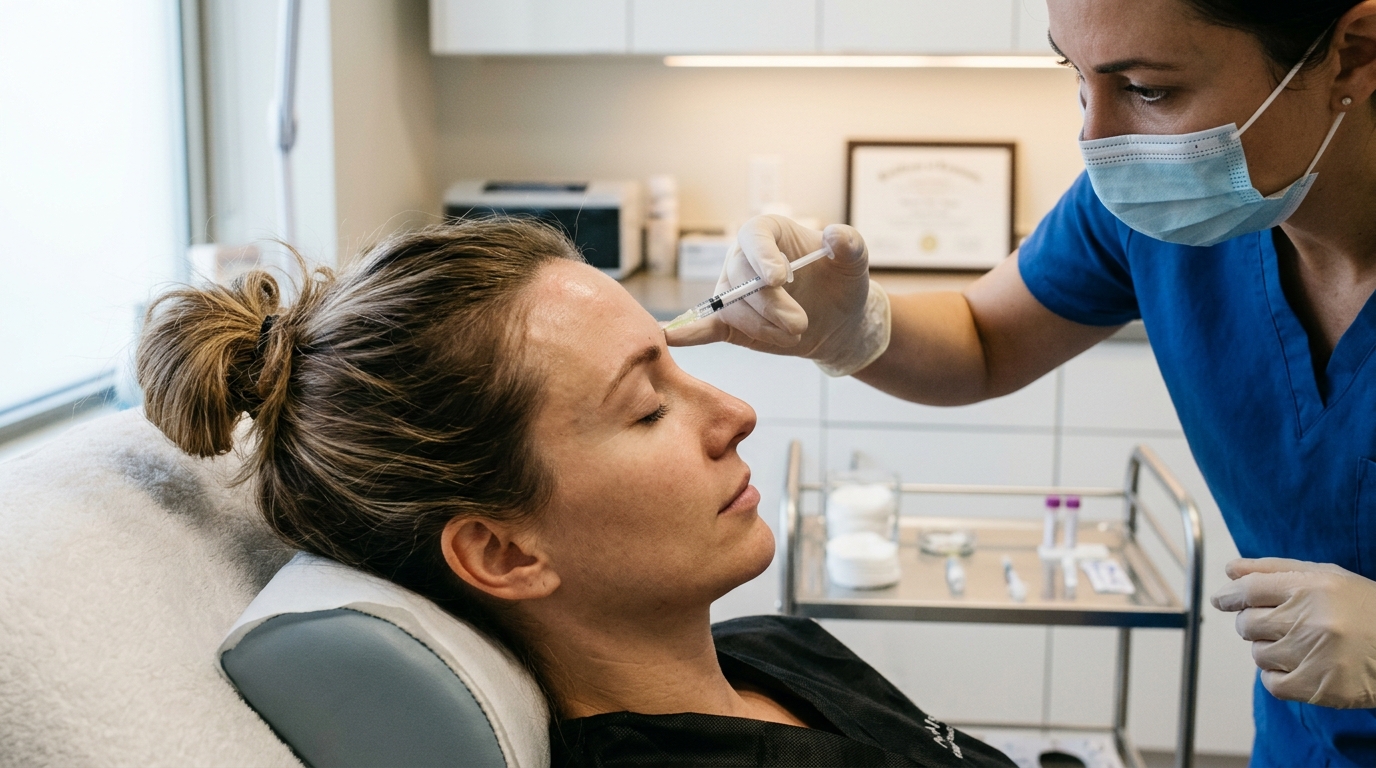
Applications may include fine lines, uneven texture, pigmentation, redness, acne scars, sun damage and early laxity. Some conditions require medical diagnosis before cosmetic treatment, and certain pigmentation problems can worsen with unsuitable energy settings.

Results develop as redness settles and the skin remodels. Lighter treatments may need a course, while stronger resurfacing can produce more change with more downtime. Improvement is not guaranteed and ongoing sun protection is essential.
Possible effects include redness, swelling, crusting, blistering, infection, burns, scarring and darker or lighter pigmentation. RF microneedling has also been associated with serious burns, fat loss and nerve injury when used inappropriately. Eye protection, trained operation and suitable settings are essential.
Divine Medica is known for precise aesthetic care, natural-looking outcomes, and a doctor-led treatment experience. Our specialists focus on careful assessment, refined technique, and results that stay in harmony with your features.
Cosmetic doctor, Eyelid correction doctor KNMG
Cosmetic doctor, Eyelid correction doctor KNMG
Cosmetic doctor KNMG

Cosmetic doctor, injectables specialist
“Excellent result! I am incredibly happy with the result and the doctor's expertise.”
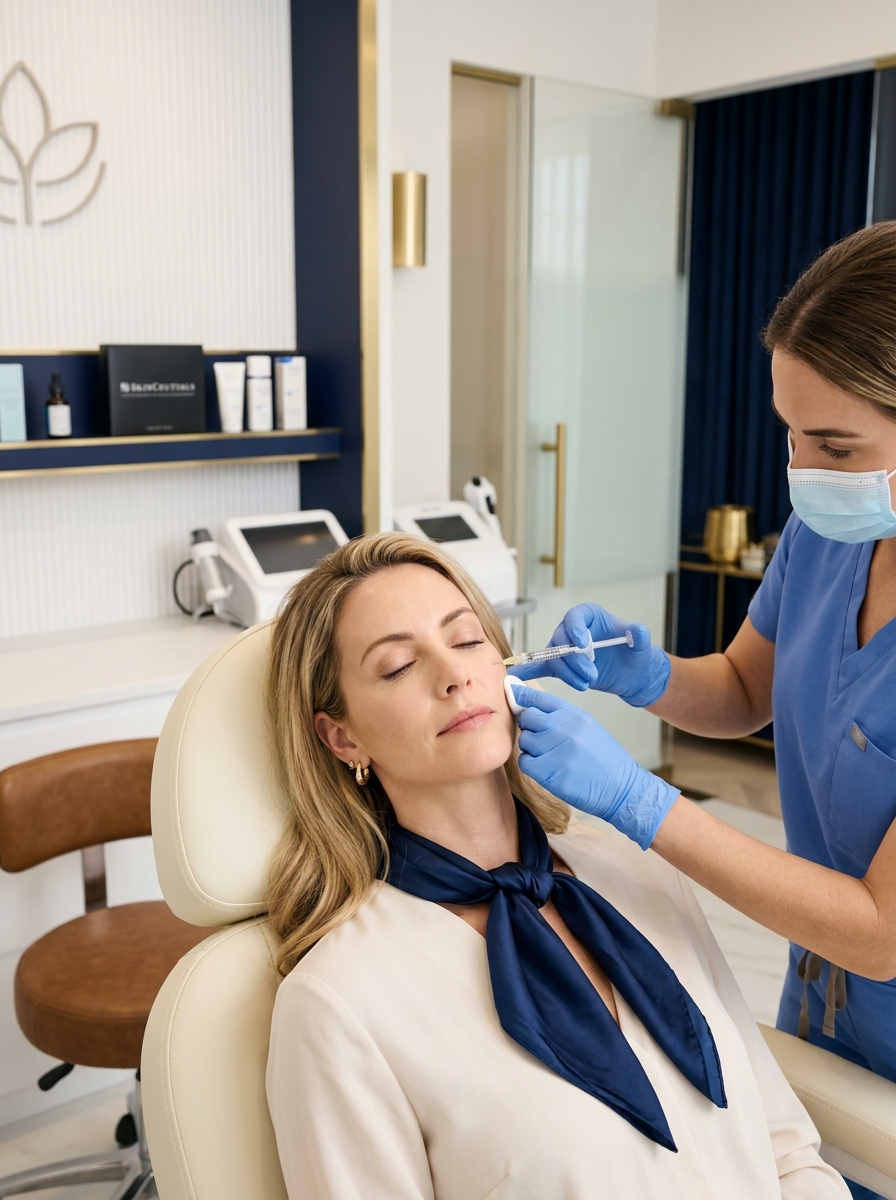
Find immediate answers about Laser Skin Rejuvenation, suitability, results, and recovery.
It may suit adults with a clearly identified skin concern who can follow sun-avoidance and aftercare instructions. Active infection, recent tanning, certain medicines, pregnancy or a tendency to abnormal scarring may affect suitability.
A course is common for IPL, LED and some RF treatments. Fractional CO₂ may use fewer but stronger sessions. The schedule depends on the device, treatment depth and skin response.
Downtime ranges from none or mild redness to several days of swelling, crusting and peeling after stronger resurfacing. Pigment changes can last longer.
The clinician identifies whether the main issue is pigment, vessels, texture, scarring or laxity, then selects the device and intensity. A test patch or alternative treatment may be recommended for higher-risk skin.