Amsterdam-ZuidDen Bosch+2
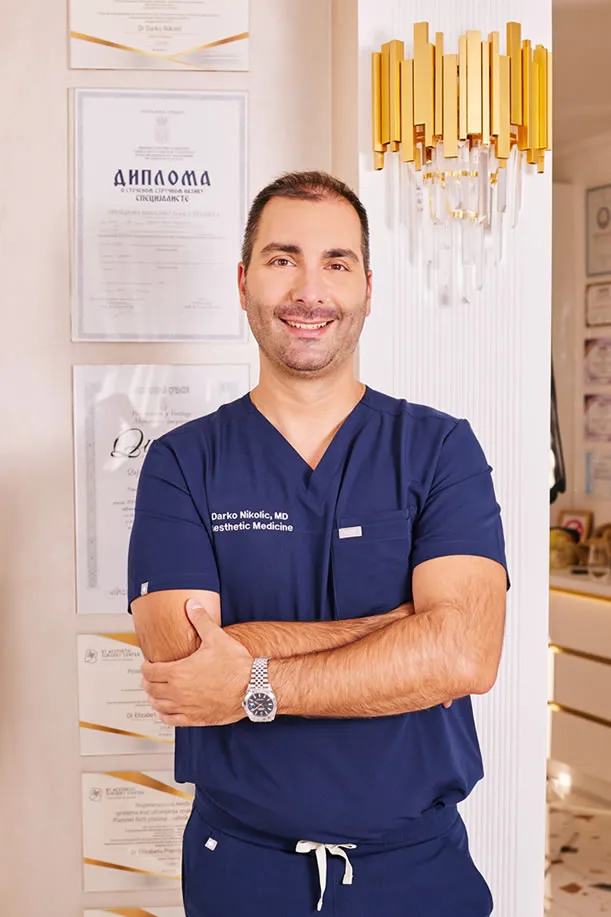
Hugo Ammerlaan
Cosmetic doctor, Eyelid correction doctor KNMG

Hair restoration programmes combine medical assessment with selected procedures intended to support scalp health and hair density.
Part of Hair Restoration
0 treatments available
Investigate the cause of hair loss and build a treatment plan around the diagnosis.

Options may include PRP, exosome-based treatment, RF microneedling and clinic-designed booster programmes. Hair loss has many causes, including genetics, hormones, illness, nutritional problems and inflammatory disease, so procedures should follow diagnosis rather than replace it.
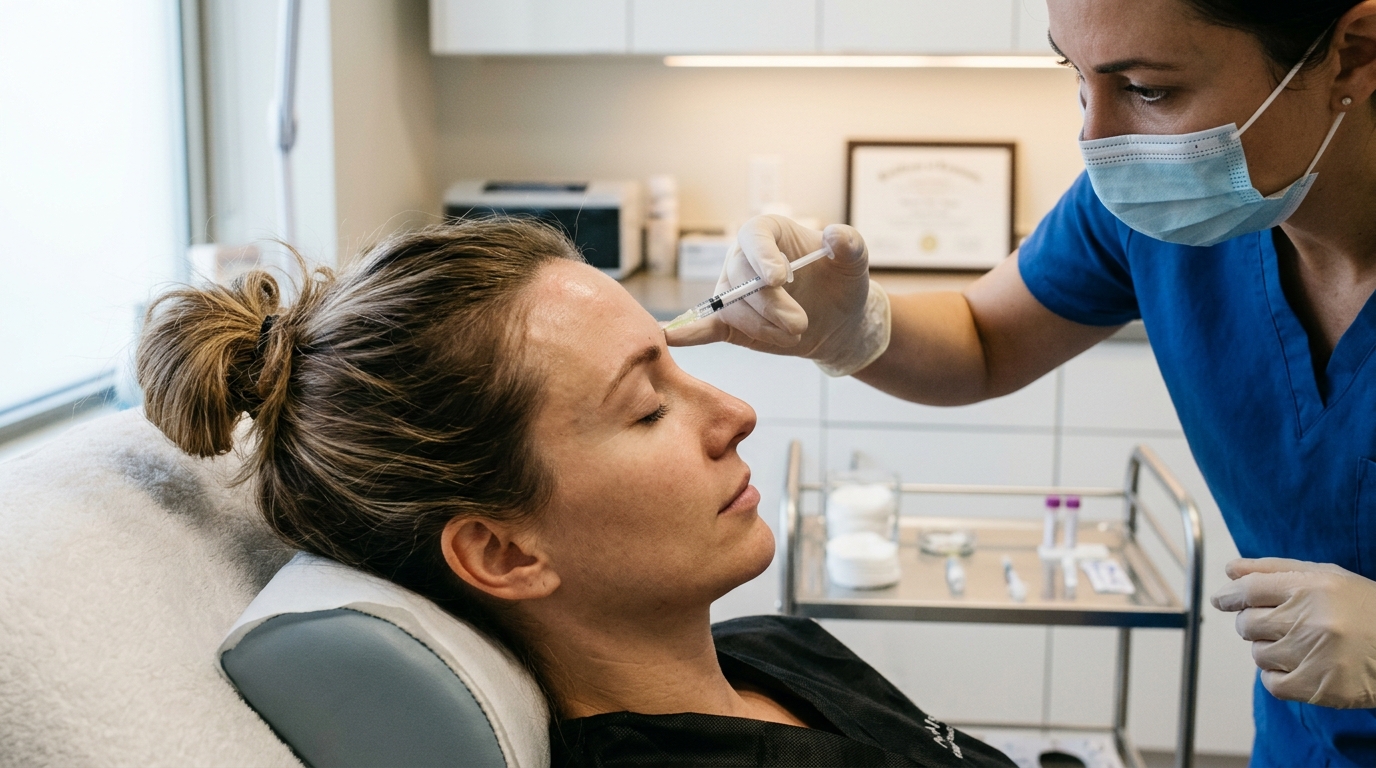
Applications may include selected patterns of thinning or shedding where the hair follicles are still capable of growth. Sudden, patchy, scarring or symptomatic hair loss needs medical investigation and may require specialist treatment.

Hair growth is slow, so any improvement takes months. Some patients notice reduced shedding or increased density, while others do not respond. Ongoing treatment may be needed, and no procedure can guarantee regrowth.
Risks include scalp pain, bleeding, bruising, infection, swelling and temporary shedding. Microneedling can cause scarring or pigment change if misused. Evidence and regulatory status for exosome products vary, and unapproved products may carry serious risk.
Divine Medica is known for precise aesthetic care, natural-looking outcomes, and a doctor-led treatment experience. Our specialists focus on careful assessment, refined technique, and results that stay in harmony with your features.
Cosmetic doctor, Eyelid correction doctor KNMG
Cosmetic doctor, Eyelid correction doctor KNMG
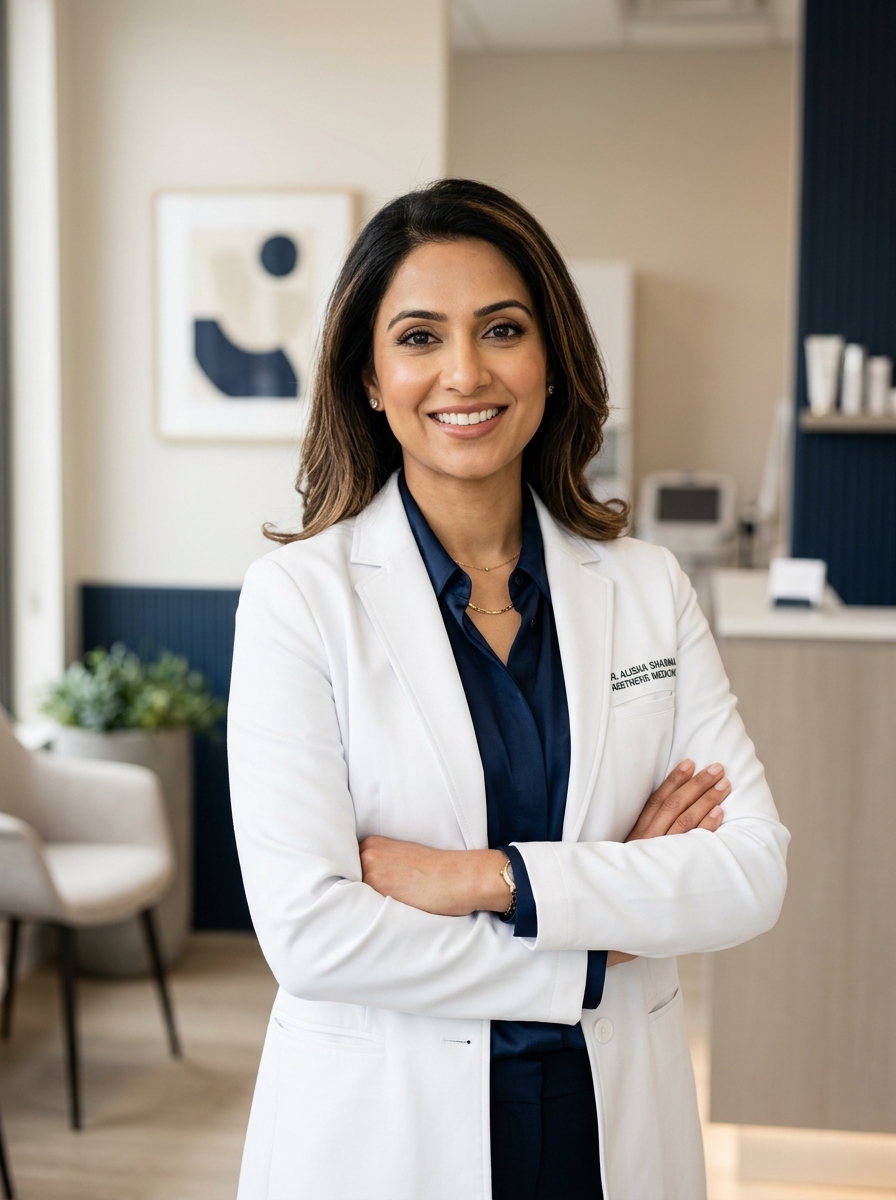
Cosmetic doctor KNMG

Cosmetic doctor, injectables specialist
“Excellent result! I am incredibly happy with the result and the doctor's expertise.”
Find immediate answers about Hair Restoration, suitability, results, and recovery.
It may suit adults with a diagnosed, treatable pattern of hair loss and realistic expectations. It is less likely to help where follicles are permanently destroyed or the cause remains untreated.
Hair programmes usually require several months, with staged procedures and progress photographs. The plan should be reviewed if shedding worsens or no benefit is seen.
Scalp tenderness, redness or pinpoint bleeding may last a few days. Some patients experience temporary increased shedding before the hair cycle stabilises.
The clinician reviews the pattern and duration of loss, scalp condition, family history, medicines, blood tests when indicated and previous treatment. Medical therapy, procedures or referral may be combined.