
Mesotherapy Formulation
A clinician-selected microinjection formulation for superficial skin treatment.

The information on this page has been medically reviewed by
Divine Medica
What is Mesotherapy Formulation?
Mesotherapy is a technique rather than one standardized product. The injected formulation may contain different authorized ingredients, so the exact name, composition, source and intended use must be documented before treatment.
What does Mesotherapy Formulation entail?
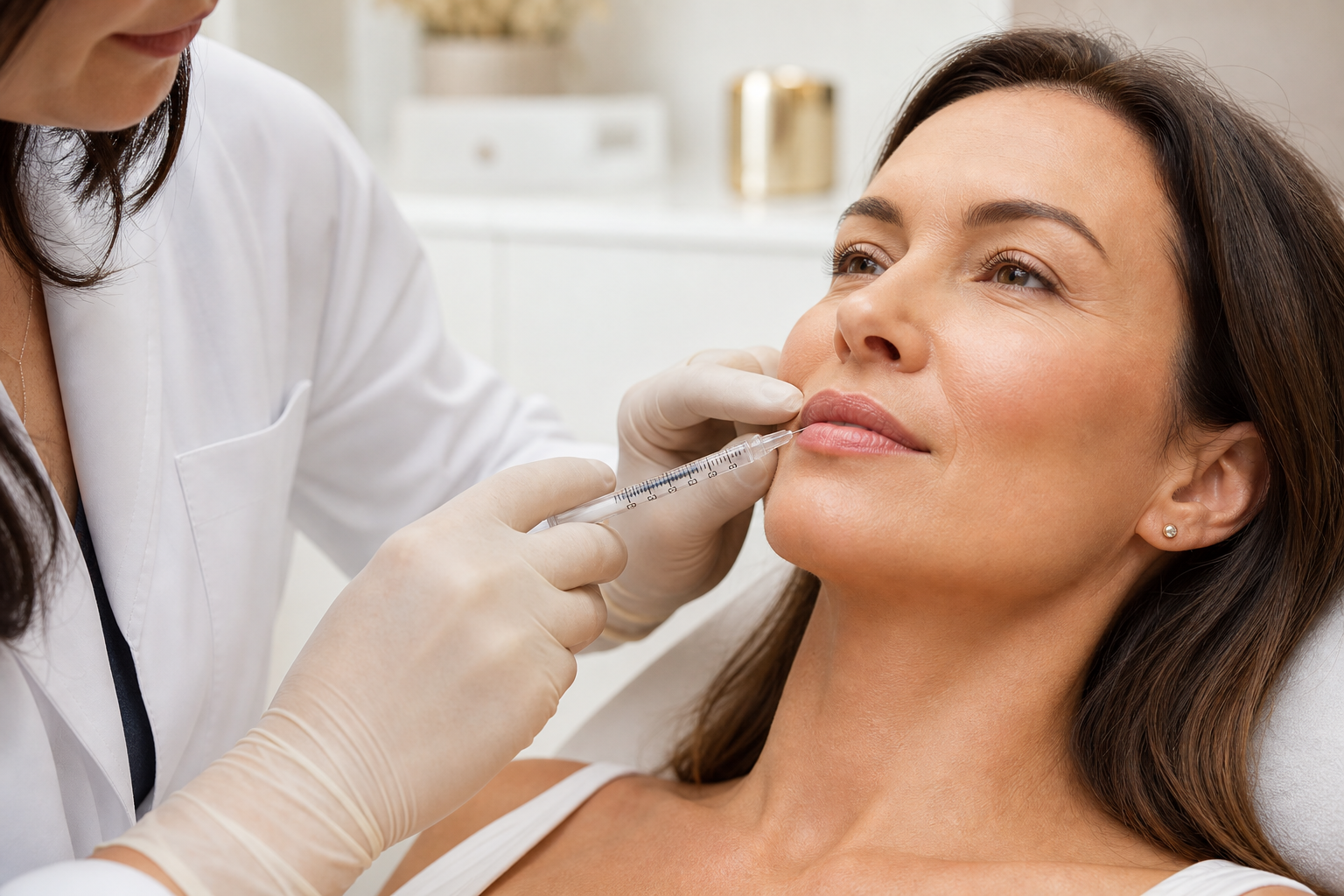
After assessment, small quantities are injected at multiple superficial points in the selected area. Injection depth, spacing, volume and session schedule depend on the formulation and treatment goal.
Applications of Mesotherapy Formulation
Within the current service list, this category may be used for Facial Mesotherapy, Eye Area Mesotherapy. The exact product, indication and treatment plan must be confirmed for each patient.

Safety Mesotherapy Formulation
Safety cannot be judged from the word mesotherapy alone. Risks can include bruising, swelling, allergy, infection, nodules, pigmentation change and reactions to individual ingredients; unapproved mixtures should not be used.
Before and Aftercare
Ask for the complete ingredient list, manufacturer, batch details and intended use. Disclose allergies, medicines, pregnancy or breastfeeding, immune conditions and any active infection or skin inflammation.
Follow the clinic's hygiene and skincare instructions, avoid rubbing the area, and report worsening redness, pain, heat, discharge, rash or persistent lumps promptly.
Visible change, if achieved, is usually gradual over days to weeks and may require a course. Timing and durability depend on the actual formulation, indication and individual response.
Treatments with Mesotherapy Formulation
Frequently
asked
questions ›
Find direct answers to questions about Mesotherapy Formulation, safety, treatment planning, and recovery.
Safety cannot be judged from the word mesotherapy alone. Risks can include bruising, swelling, allergy, infection, nodules, pigmentation change and reactions to individual ingredients; unapproved mixtures should not be used.
The number of sessions cannot be standardized without naming the formulation. The clinician should explain the planned course and stopping rules before treatment begins.
Visible change, if achieved, is usually gradual over days to weeks and may require a course. Timing and durability depend on the actual formulation, indication and individual response.
Combination treatment may be possible, but it should proceed only after every ingredient and device is known and the sequence has been checked for compatibility.