
Medical CO2 Laser / Lesion Removal Device
A medical device used to remove selected diagnosed skin lesions.

The information on this page has been medically reviewed by
Divine Medica
What is Medical CO2 Laser / Lesion Removal Device?
A medical carbon-dioxide laser can precisely vaporize or cut selected superficial tissue. It should be used only after the lesion has been clinically diagnosed and another removal or biopsy method considered.
What does Medical CO2 Laser / Lesion Removal Device entail?
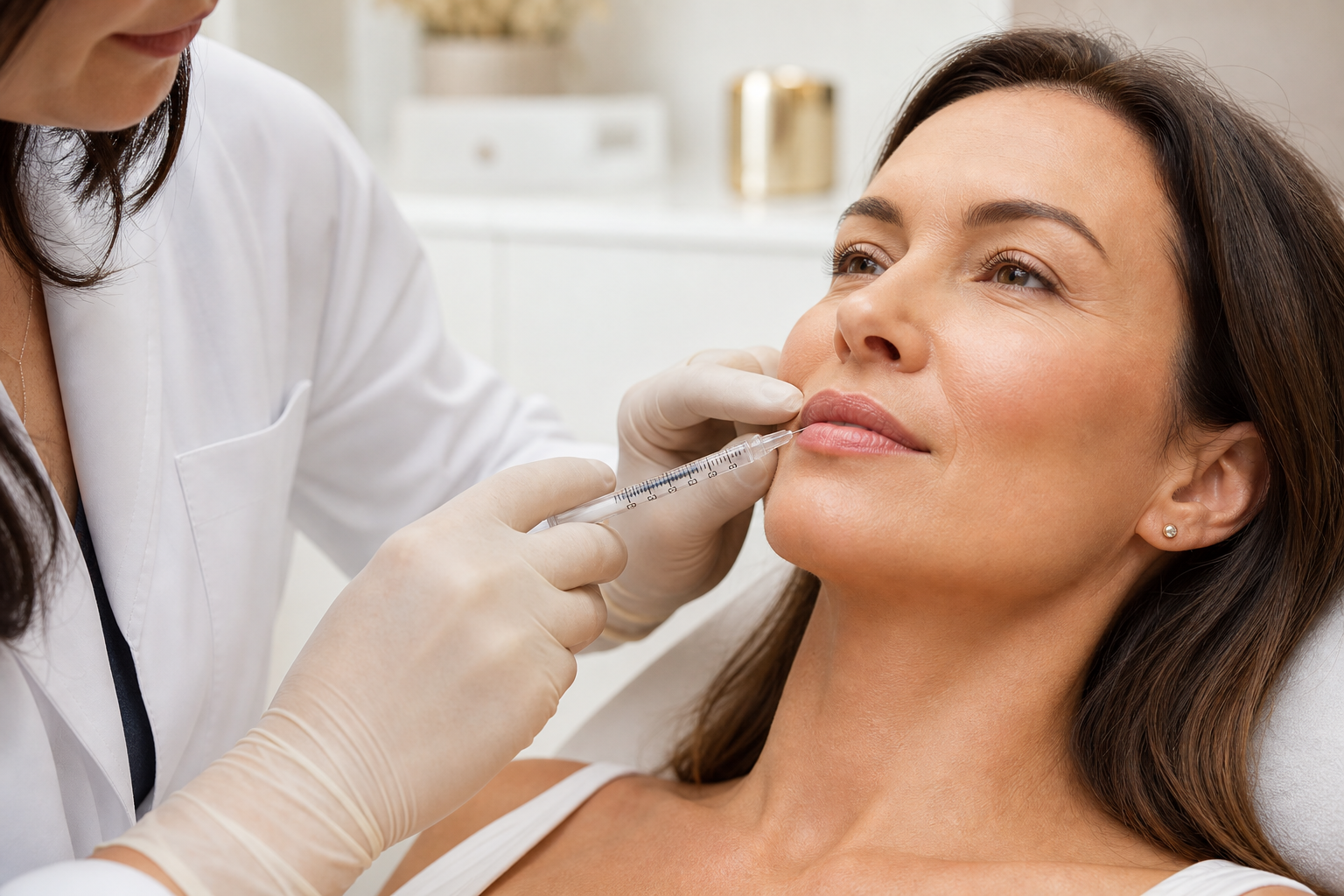
The area is examined, cleaned and anaesthetized before the clinician removes or reduces the lesion in controlled passes. Tissue may need to be sent for laboratory analysis when diagnosis is uncertain.
Applications of Medical CO2 Laser / Lesion Removal Device
Within the current service list, this category may be used for Wart Removal, Fibroma Removal, Keratosis Removal, Xanthelasma Treatment, Benign Skin Lesion Correction. The exact product, indication and treatment plan must be confirmed for each patient.
Safety Medical CO2 Laser / Lesion Removal Device
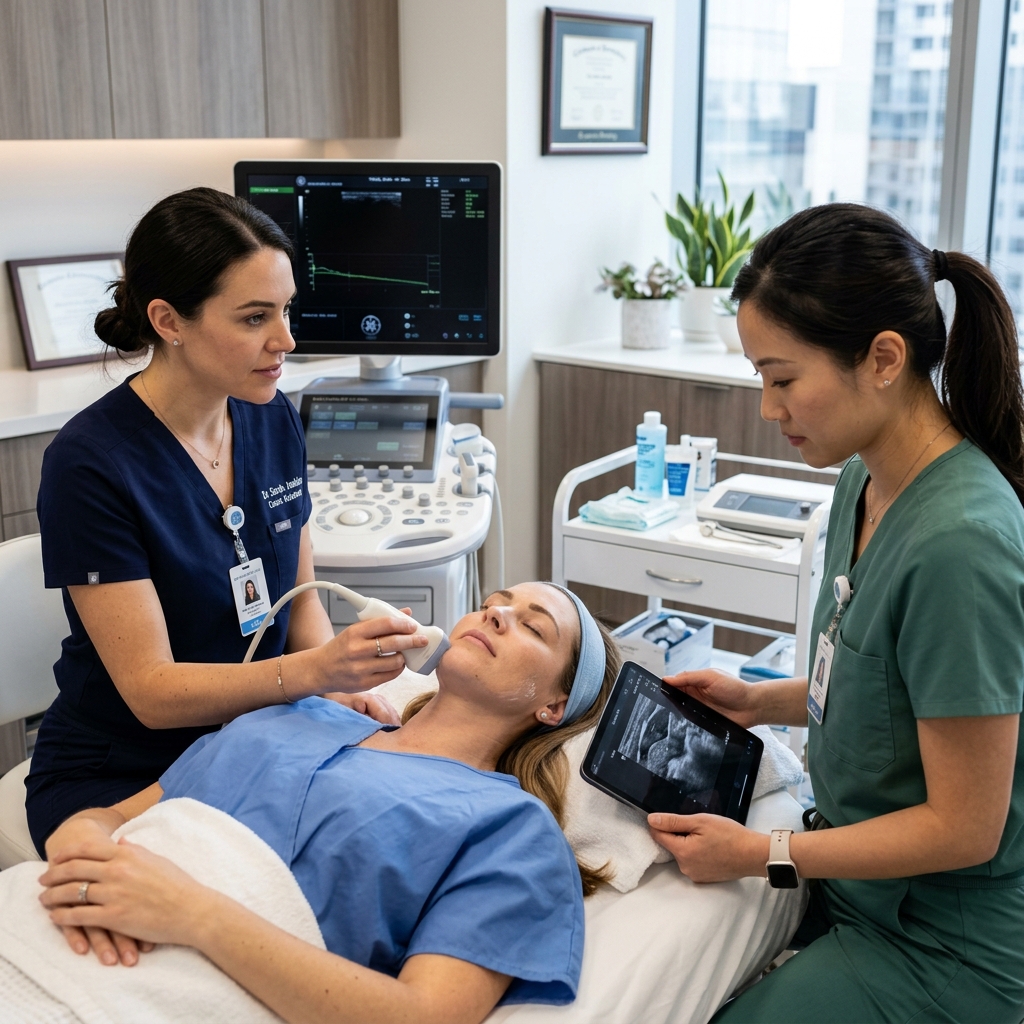
Bleeding, pain, infection, scarring, delayed healing and pigment change are possible. Removing a lesion without a proper diagnosis can delay detection of a condition that needs different care.
Before and Aftercare
Report bleeding problems, medicines, scarring tendency, infection, pregnancy and changes in the lesion. Ask whether photography, dermoscopy or biopsy is required before destruction.
Follow wound-care and sun-protection instructions and do not pick the treated area. Seek review for bleeding that does not stop, infection signs or a lesion that returns.
The wound commonly heals over 1-4 weeks depending on size and site. Redness and pigment change may take longer to settle, and recurrence is possible.
Treatments with Medical CO2 Laser / Lesion Removal Device
Frequently
asked
questions ›
Find direct answers to questions about Medical CO2 Laser / Lesion Removal Device, safety, treatment planning, and recovery.
Bleeding, pain, infection, scarring, delayed healing and pigment change are possible. Removing a lesion without a proper diagnosis can delay detection of a condition that needs different care.
Many small lesions need one procedure, but further treatment may be required if the lesion is extensive, recurs or cannot be fully treated safely.
The wound commonly heals over 1-4 weeks depending on size and site. Redness and pigment change may take longer to settle, and recurrence is possible.
Combination with other cosmetic procedures is usually deferred until diagnosis is clear and the wound has healed.