
Fractional CO2 Laser
An ablative fractional laser used for controlled skin resurfacing.

The information on this page has been medically reviewed by
Divine Medica
What is Fractional CO2 Laser?
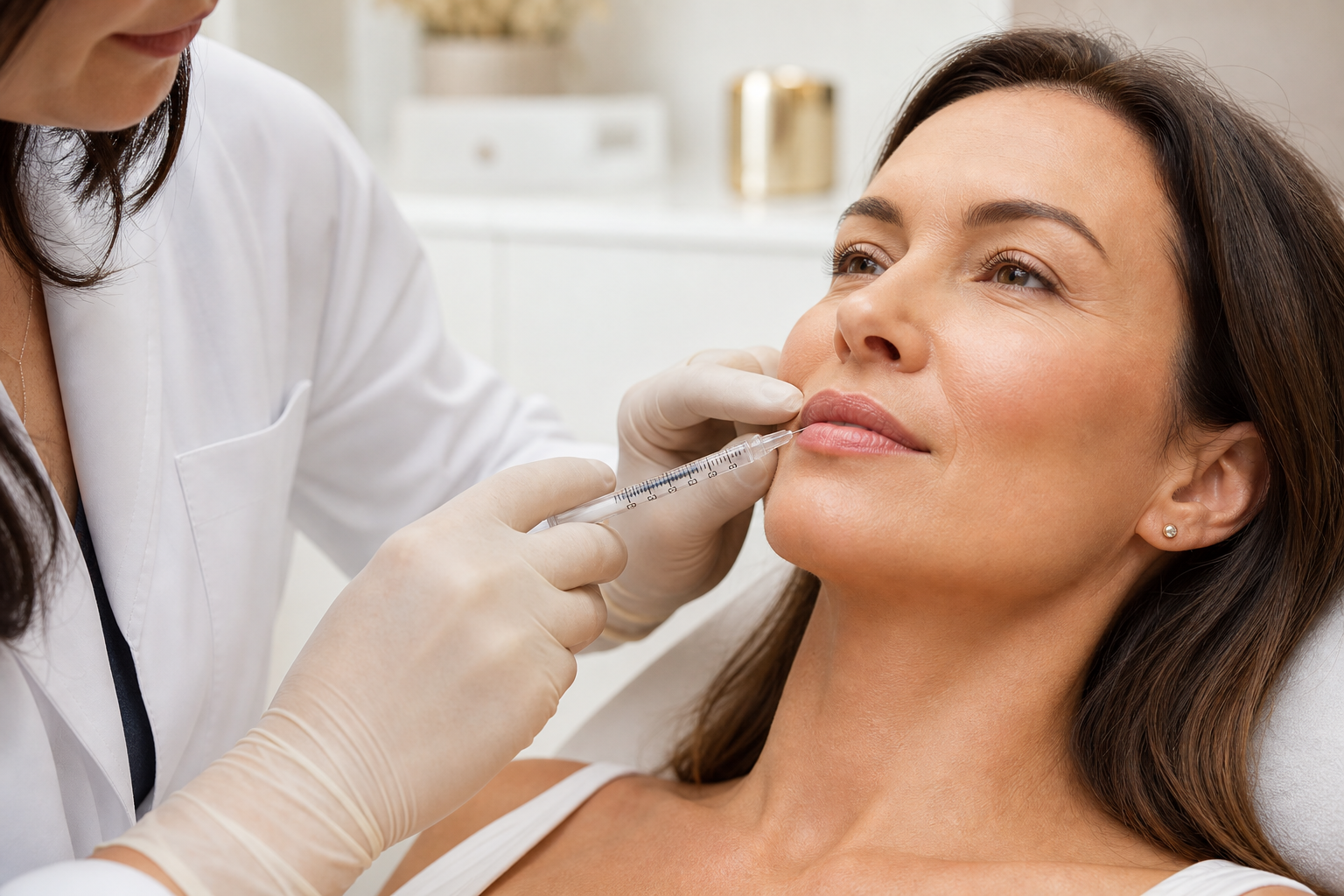
A fractional carbon-dioxide laser creates columns of controlled thermal injury while leaving surrounding skin to support healing. Settings are adjusted for the treatment area, skin type and concern.
What does Fractional CO2 Laser entail?
Protective measures and anaesthesia are used as appropriate. The clinician delivers a planned pattern of laser energy, then applies wound care and gives detailed recovery instructions.
Applications of Fractional CO2 Laser
Within the current service list, this category may be used for Fractional CO₂ Laser Resurfacing, Non-Surgical Eyelid Lift, CO₂ Blepharoplasty Rejuvenation, Wrinkle Reduction, Smoker’s Lines Treatment, Acne Scar Revision, Surgical Scar Revision, Stretch Mark Improvement, Skin Tightening, Abdominal Skin Tightening, Loose Skin Improvement, CO₂ Skin Tightening. The exact product, indication and treatment plan must be confirmed for each patient.
Safety Fractional CO2 Laser
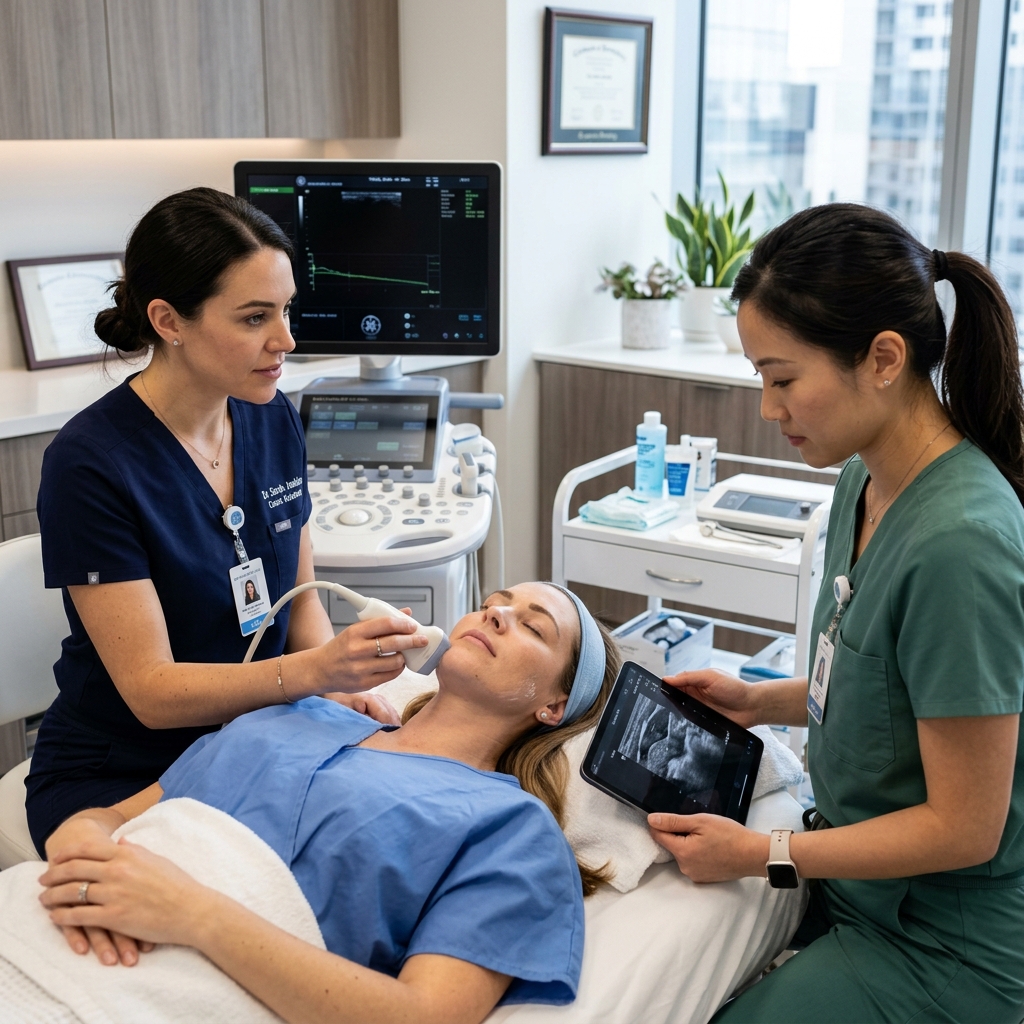
Redness, swelling, oozing, crusting and temporary pigment change are expected possibilities. Infection, prolonged redness, scarring, herpes reactivation and lasting pigment change are less common but important risks.
Before and Aftercare
Disclose tanning, sun exposure, cold sores, scarring tendency, medicines, isotretinoin history, pregnancy and active infection. Follow any prescribed antiviral or skincare preparation.
Use the instructed cleansing, ointment and sun protection routine, and do not pick crusts. Contact the clinic for worsening pain, fever, spreading redness, pus or delayed healing.
Early improvement appears as the skin heals over 1-3 weeks. Texture and collagen changes can continue for 3-6 months, depending on treatment depth.
Treatments with Fractional CO2 Laser
Frequently
asked
questions ›
Find direct answers to questions about Fractional CO2 Laser, safety, treatment planning, and recovery.
Redness, swelling, oozing, crusting and temporary pigment change are expected possibilities. Infection, prolonged redness, scarring, herpes reactivation and lasting pigment change are less common but important risks.
A single stronger session or a series of lighter sessions may be used. The plan depends on the concern, skin type, downtime and response.
Early improvement appears as the skin heals over 1-3 weeks. Texture and collagen changes can continue for 3-6 months, depending on treatment depth.
Combination treatment is possible, but peels, retinoids, injectables and other energy procedures must be spaced to protect the skin barrier and healing.